
Understand Austin auto glass laws clearly. Automotive Newz explains windshield regulations, window tint rules, insurance coverage, and tips for staying compliant in Texas.
Picture cruising down South Congress Avenue, your windshield crystal clear and fully compliant, ready for any surprise the Austin roads might throw your way. Given that Austin drivers annually report thousands of auto glass damage claims—nearly 30% involving windshield cracks or chips—it pays to stay informed about local regulations. With Texas's frequent weather shifts and highway construction zones scattered throughout Austin, keeping your auto glass up to standard is critical not just legally, but for safety and visibility as well.
Austin follows Texas state laws closely regarding auto glass integrity, window tinting, and insurance requirements. These Austin laws ensure vehicles are structurally safe, maintain clear visibility, and provide consistent standards across Texas cities. Beyond the windshield itself, Texas law also covers permissible window tint levels, necessary safety standards, and the critical importance of proper recalibration for modern windshield-integrated technologies.
With vehicle technology advancing rapidly, windshield replacements aren’t as straightforward as they once were. Advanced Driver-Assistance Systems (ADAS) now feature prominently in newer cars, with sensors embedded within the windshield glass. Understanding how these technologies interact with Austin auto glass laws is essential to keep your vehicle compliant, safe, and fully functional on the road.
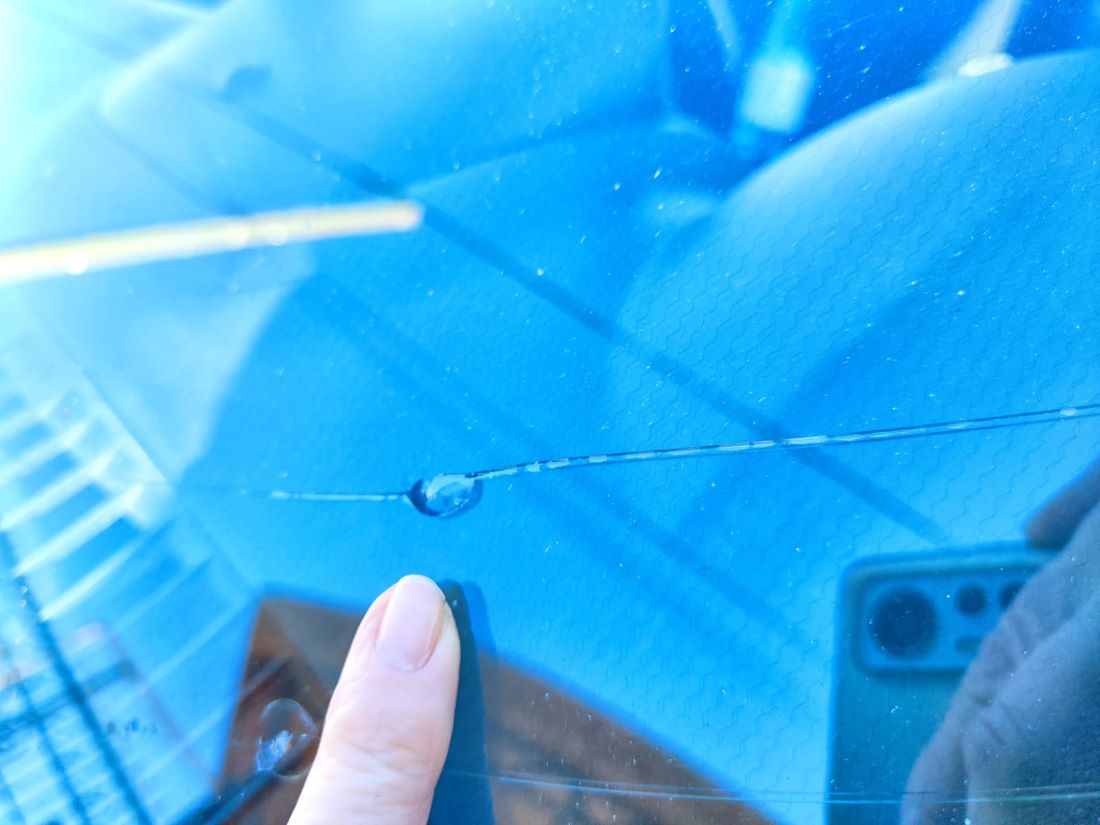
Your windshield does far more than shield you from debris—it supports nearly half the vehicle’s structural integrity in frontal collisions. Texas laws outline specific standards regarding acceptable windshield conditions, so understanding these criteria can make all the difference when you’re faced with auto glass issues.
In Austin, determining whether windshield damage needs repair or replacement hinges on certain key points:
Austin auto glass specialists, such as Goliath Auto Glass, advise drivers to seek repairs promptly, noting that local heat waves can quickly escalate small windshield cracks into severe structural issues.
Window tinting can provide Austin drivers significant relief from harsh sunlight, but Texas state law sets strict limitations on how dark and reflective window tinting can be.
The legal window tint standards in Austin include:
Many Austin drivers unwittingly exceed these limits, resulting in tickets ranging from $100 to $250. Hill Country Window Tint recommends double-checking with installers to ensure compliance, as improperly tinted windows frequently lead to police citations around the city.
Austin residents suffering medical conditions, like severe sunlight sensitivity, can receive exemptions from standard tinting rules. This requires obtaining official documentation from a licensed medical professional and approval through the Texas Department of Public Safety, with records kept inside the vehicle at all times.
When dealing with auto glass damage, understanding insurance coverage can significantly affect out-of-pocket costs for Austin drivers.
Insurance experts from Lone Star Coverage Partners often emphasize the importance of reviewing policies regularly, as coverage details directly impact financial responsibilities after auto glass incidents.
With vehicles increasingly equipped with advanced technology, windshields now frequently contain built-in sensors and cameras that power safety features. After windshield replacements, proper calibration of these systems is legally required to maintain vehicle safety and compliance.
Incorrect calibration can cause major safety hazards, including:
Austin calibration specialists at Precision Calibration Experts stress the importance of professional recalibration immediately after windshield replacement to avoid compromised vehicle safety and liability issues. They also advise drivers to retain calibration reports as essential documentation for warranty purposes.
Local law enforcement in Austin remains vigilant in enforcing auto glass laws, particularly concerning windshield clarity and window tinting.
Fines for these infractions typically range from $100 to $250, with repeat violations potentially leading to higher penalties. Austin traffic officers regularly inspect glass during routine stops, increasing the importance of proactive compliance.
Consistent maintenance not only prolongs the life of your auto glass but helps avoid unexpected costs and citations.
Integrating these tips into routine vehicle care can significantly reduce auto glass issues in Austin.
Emerging automotive technologies and environmental initiatives will inevitably shape future auto glass regulations in Austin.
Keeping abreast of these developing trends will be crucial for Austin drivers aiming to remain compliant and safe.
Auto glass regulations in Austin are about more than following the rules—they’re about safeguarding drivers, passengers, and pedestrians alike. By complying with windshield repair standards, maintaining proper window tint levels, understanding insurance coverage, and ensuring correct ADAS calibration, Austin drivers play a crucial role in promoting road safety and reducing accident risks.
With Austin’s unique mix of vibrant city life, highway construction, and fluctuating weather, proactively maintaining compliant auto glass offers peace of mind in every driving scenario. Anticipating future auto glass innovations and potential regulatory changes also ensures you stay ahead of the curve.
As automotive technology continues evolving rapidly, Austin drivers must ask themselves a crucial question: how prepared are you to stay informed and ensure your vehicle’s glass remains both compliant and safe on every journey through the heart of Texas?
While we cover the global automotive scene, our roots remain firmly planted in key automotive regions. In Detroit, the heart of America’s automotive industry, we’ve built lasting relationships with major manufacturers like Ford, GM, and Chrysler. In Silicon Valley, we’ve closely followed the tech-driven revolution, covering companies like Tesla and Rivian as they redefine what it means to drive. These connections allow us to provide our readers with exclusive insights that they can’t find anywhere else.
We’re not just observers; we’re part of the community. We’ve partnered with local organizations and participated in events like the Los Angeles Auto Show and Phoenix’s Future of Mobility conference. These collaborations help us stay connected to the pulse of the industry and bring valuable content to our audience.
The future is bright for Automotive News. As the auto industry continues to evolve, so do we. We’re expanding our coverage to include emerging markets, new technologies, and the growing intersection between the auto and tech industries. Our goal is to remain at the forefront of these changes, providing our readers with the most relevant and engaging content.
We’re also investing in new ways to deliver our content. From interactive data visualizations to podcasts and video features, we’re constantly looking for innovative ways to enhance the reader experience. Our commitment to excellence ensures that we’ll continue to lead the industry for years to come.