Depreciation is the biggest cost of owning a new car, and most buyers never think about it. These seven lose far less, and a couple barely lose anything at all.
The most expensive part of owning a new car never shows up on a bill. It is the value that quietly drains away every month you own it, and for most vehicles it adds up to more than gas, insurance or repairs over the first five years.
Some cars fight that slide better than others, and the gap is huge. According to Kelley Blue Book, the average 2026 vehicle keeps about 45 percent of its value after five years, while the best performers keep about 55 percent or more. On a $40,000 purchase, that difference is worth roughly $4,000 or more when you sell or trade in. We combined the latest resale data to find the seven new vehicles that protect your money best.
We leaned on two respected sources that look at resale from different angles, then picked vehicles that stood out in both.
Strong resale usually comes down to a few things: a reputation for reliability, steady demand in the used market, limited supply and a design that does not change much year to year. Trucks and sports cars do especially well, because buyers know what they are getting and many owners keep them for a long time. Brand matters too, which is why Toyota shows up again and again.
Depreciation is not spread evenly across a car's life. The steepest drop usually comes right after you drive off the lot and through the first few years, then the curve flattens out. That is why a model with strong resale protects you most if you plan to sell or trade within five years, and why buyers who keep cars for a decade feel depreciation less.
It also explains why the right model matters so much if you trade often. Someone who swaps cars every three years can lose thousands more on an average vehicle than on one of the picks below. If you tend to keep a car until the wheels fall off, focus first on reliability and running costs, and treat resale as a bonus.
Leasing shifts the depreciation risk to the lender, which can make sense for vehicles that lose value quickly. For models that hold value well, buying usually wins, because you keep the equity that strong resale builds. Lease payments are also based partly on projected resale, so vehicles with high residual values often come with lower lease payments too. Either way, a car that holds its value gives you more options down the road.
Even within a strong model, some versions resell better than others. Mainstream trims with popular features tend to find buyers quickly, while rare color choices or expensive add-ons rarely return what they cost. Four wheel drive on a truck or SUV usually helps, since so many used buyers want it. When in doubt, choose the version most shoppers would pick, because that is the car the next buyer will be searching for.
The first four picks include two Toyota trucks, a rugged SUV and a sports car icon. They show just how wide the gap can be between average and exceptional.
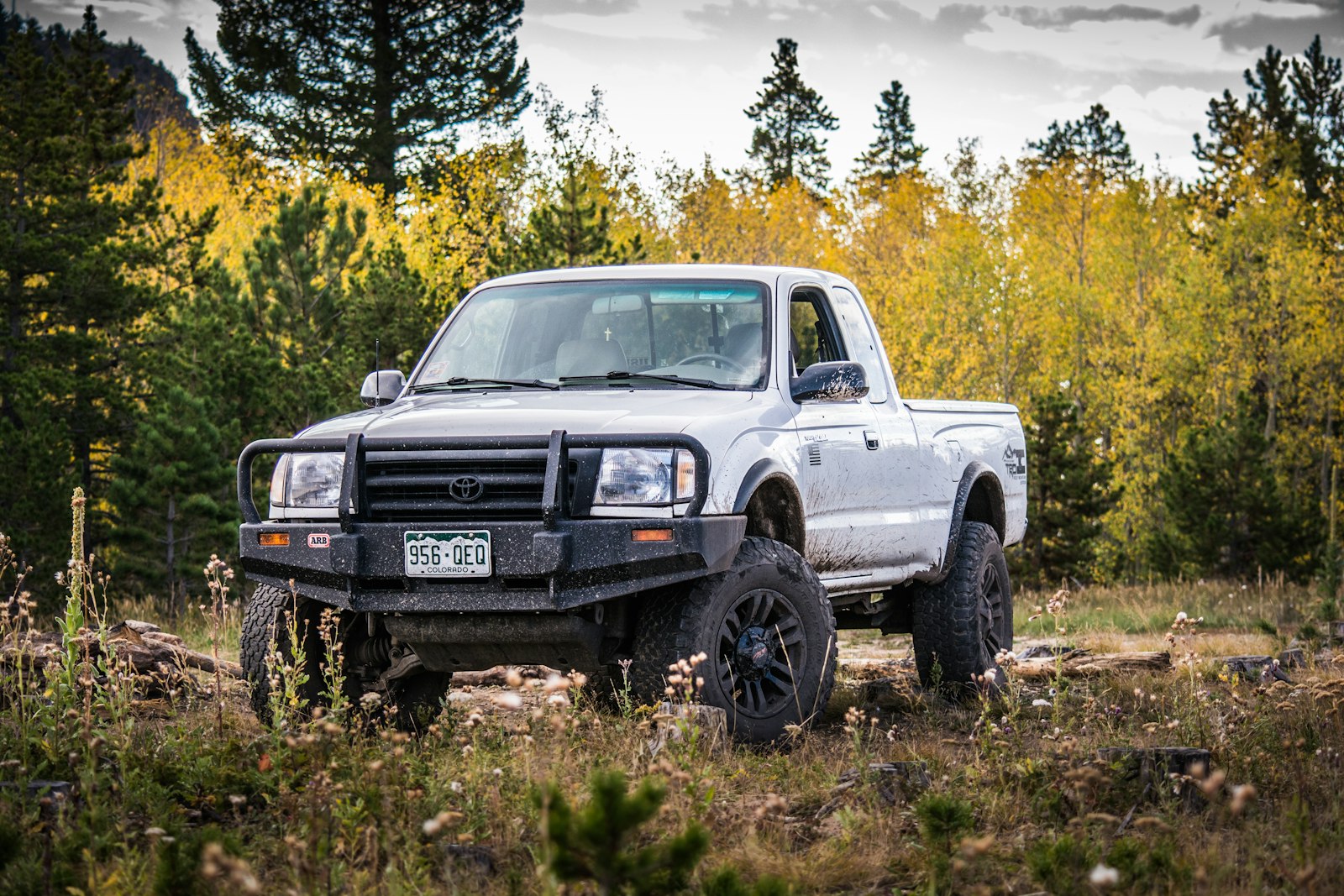
The Tacoma is the resale champion of the truck world. It won the Midsize Pickup category in the 2026 Kelley Blue Book awards and landed in KBB's overall top 10. In the iSeeCars study, five year old Tacomas lost just 19.9 percent of their value, good for fourth place overall.
Demand never seems to cool, thanks to a reputation for toughness and a loyal following among off-road fans and tradespeople alike.
Toyota's full size truck follows close behind. The Tundra won the Full-Size Pickup award from KBB and made the overall top 10. iSeeCars found it lost 21.2 percent over five years, ranking fifth.
That makes it one of only two non-sports models in the iSeeCars top five, alongside the Tacoma. If you need a big truck and plan to sell it someday, few choices protect your money better.
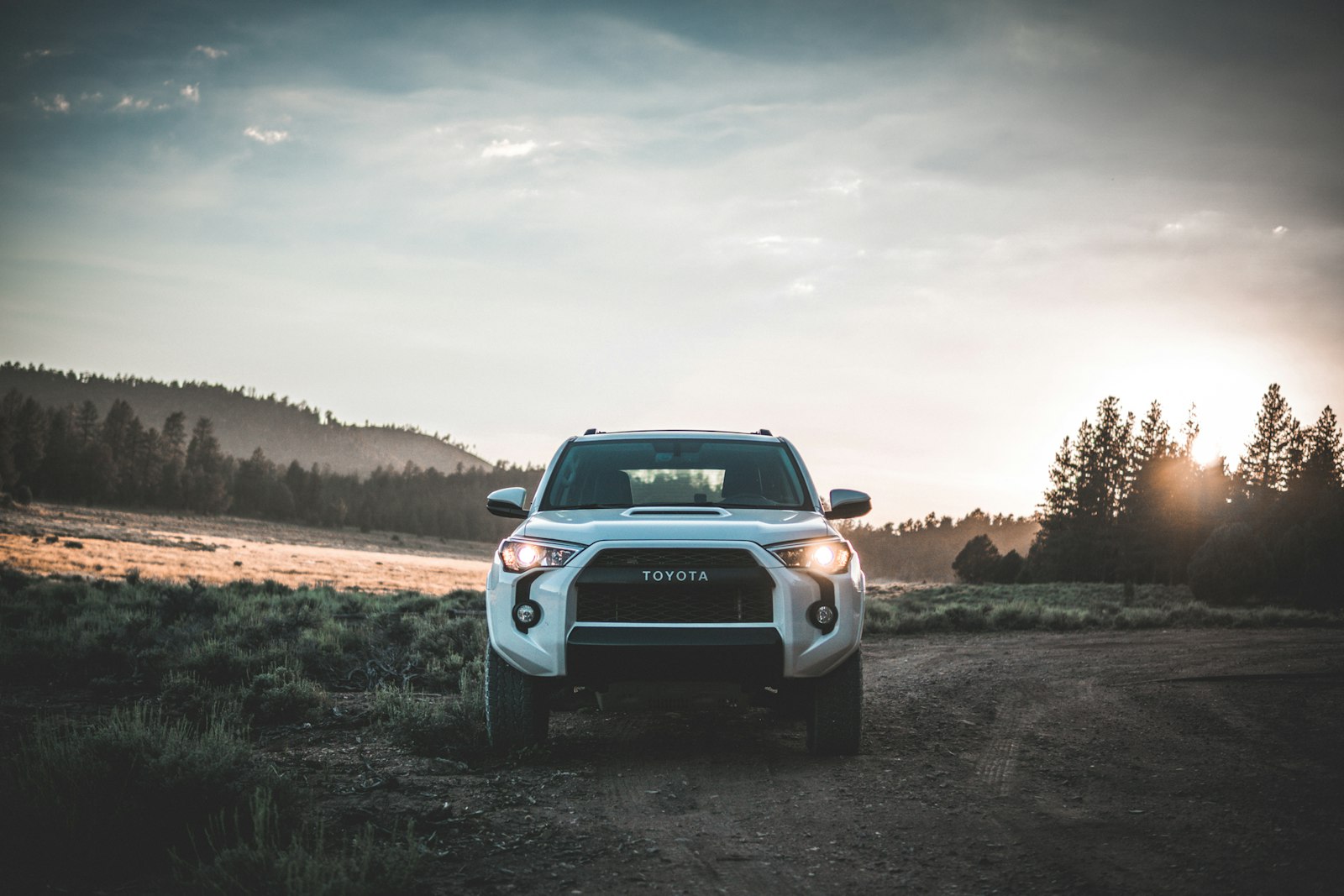
The 4Runner won KBB's Off-Road SUV category and its overall top 10, and iSeeCars ranks it 11th with 25.5 percent depreciation. It is also one of the most dependable used SUVs, which feeds right back into its resale strength.
Buyers looking at a used one will find prices stay high for the same reason, so selling later tends to work in your favor.
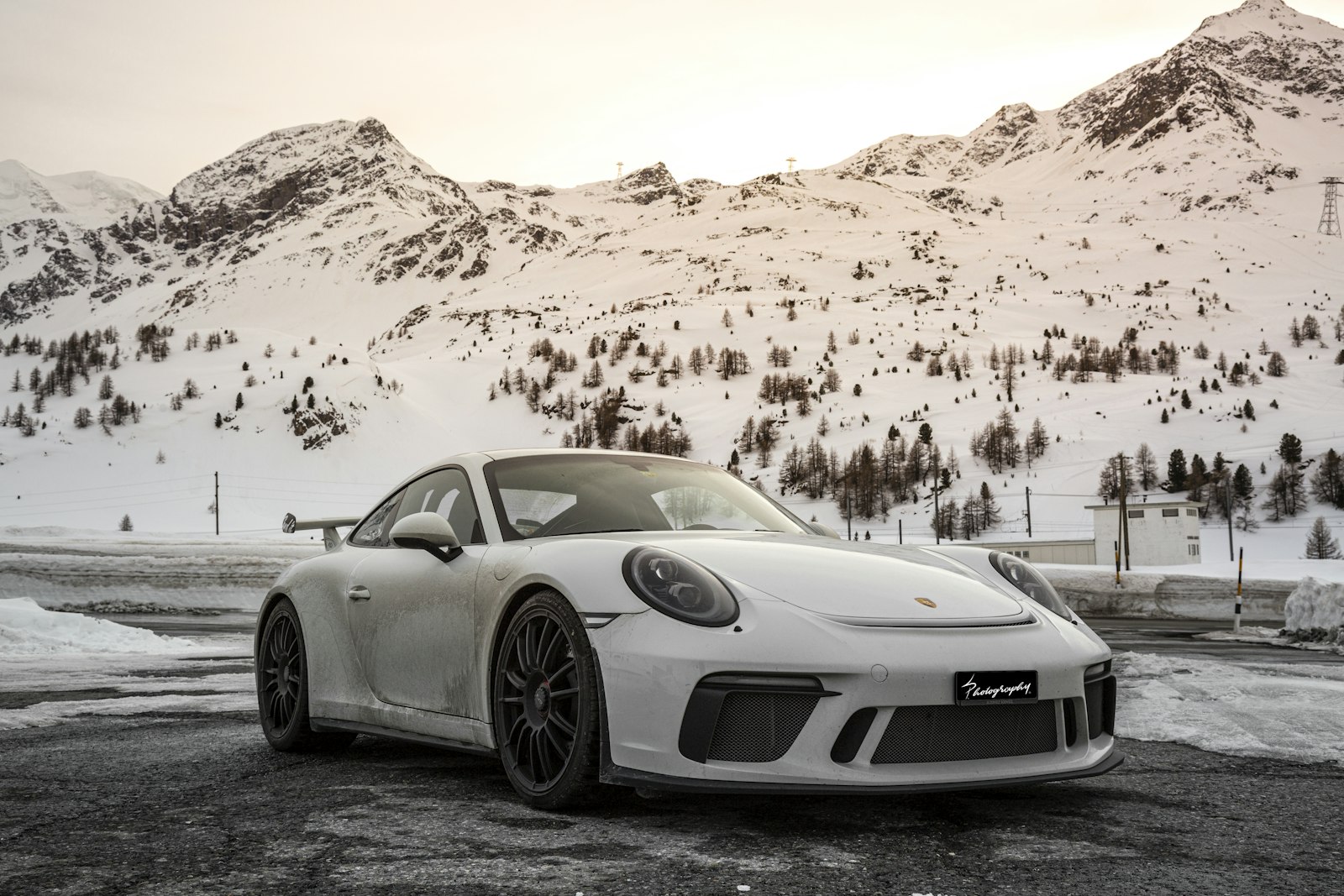
Want a car that barely depreciates? The Porsche 911 lost only 11.1 percent of its value over five years in the iSeeCars study, ranking second overall, and it made KBB's 2026 top 10.
The 911 has kept the same basic shape and spirit for decades, and enthusiasts line up for clean used examples. It is expensive to buy, but it holds on to that money better than almost anything else on the road.
Every Hot List is built on published reliability, range and resale data, then boiled down to the picks that matter. Compare a few before you visit a dealer.
The last three prove you do not need a pickup or a six figure sports car to beat depreciation. One is an American performance icon, one is a sensible compact, and one is a small truck that changed the market.
The Corvette made KBB's overall top 10 and finished third in the iSeeCars study, losing just 18.7 percent over five years. Its mid-engine design delivers supercar performance at a fraction of exotic car prices, and enthusiasts keep demand for clean used examples high.
The Civic is the everyday hero of this list. It won KBB's Compact Car award and ranked sixth in the iSeeCars study with 22.9 percent depreciation, making it the best performer that is not a truck or sports car.
A reputation for reliability, low running costs and huge demand from first time buyers keep used Civic prices strong. It is proof that a practical car can also be a smart investment.
The Maverick won KBB's Compact Pickup award and made its overall top 10. It does not appear in the five year iSeeCars rankings yet, since the truck only launched for the 2022 model year and there were no five year old examples to measure.
KBB's projection is still a strong signal. A small footprint, a practical bed and a price well below full size trucks have made it a hit with buyers who want truck utility without truck sized costs.
The Toyota Sienna won KBB's Minivan award and lost 28.5 percent in the iSeeCars study. The Toyota GR Supra won KBB's Sports Car category with 24.0 percent depreciation, the Toyota RAV4 lost 25.2 percent, and the Honda CR-V won KBB's Compact SUV award with 28.9 percent depreciation.
Buying the right model is only half the job. How you treat it matters just as much when it is time to sell.
A trusted mechanic helps keep that service history clean. Our top auto repair shops by city list is a good place to find one, and our list of the most reliable used SUVs shows which models stay out of the shop.
Depreciation is the hidden cost that separates a smart car purchase from an expensive one. Toyota's Tacoma, Tundra and 4Runner lead the mainstream field, the Porsche 911 and Chevrolet Corvette barely lose value at all, the Honda Civic shows that practical can also pay off, and the Ford Maverick earns top marks in KBB's projections.
Choose a vehicle with proven demand, keep it well maintained and hold on to the paperwork. Do that, and you will walk away with more money when it is time for the next one. For more data driven rankings, browse our Hot Lists, including our guide to long range EVs for commuters.