HUD layers, acoustic glass, heated coatings, and bonded cameras made windshields pricey to replace. See how insurers, automakers, and shops are adapting.
Ten years ago, a windshield claim was one of the easiest checks an insurer wrote. It meant a sheet of laminated glass, some urethane, and an hour of labor. That world is gone. The windshield on a mid-range SUV now carries more tech than the whole dashboard did in 2010.
The best way to see the shift is to read the glass like a receipt. Each layer and bracket adds cost, and none of it shows up until a rock hits.
A heads-up display needs a wedge-shaped layer inside the glass. Without it, the projected speed reading shows up as a blurry double image. The wedge must match the projector angle exactly, so cheaper aftermarket options are limited. Many drivers end up with factory glass by default.
Quiet cabins sell cars, especially electric ones with no engine noise to hide road roar. Acoustic glass uses a softer vinyl layer that dampens sound. It costs more to make, and a standard pane makes the cabin louder. Owners notice right away.
Fine wires or a clear metal coating melt ice fast. That coating can also block signals, so toll tags and phones may need special cutout zones built into the glass.
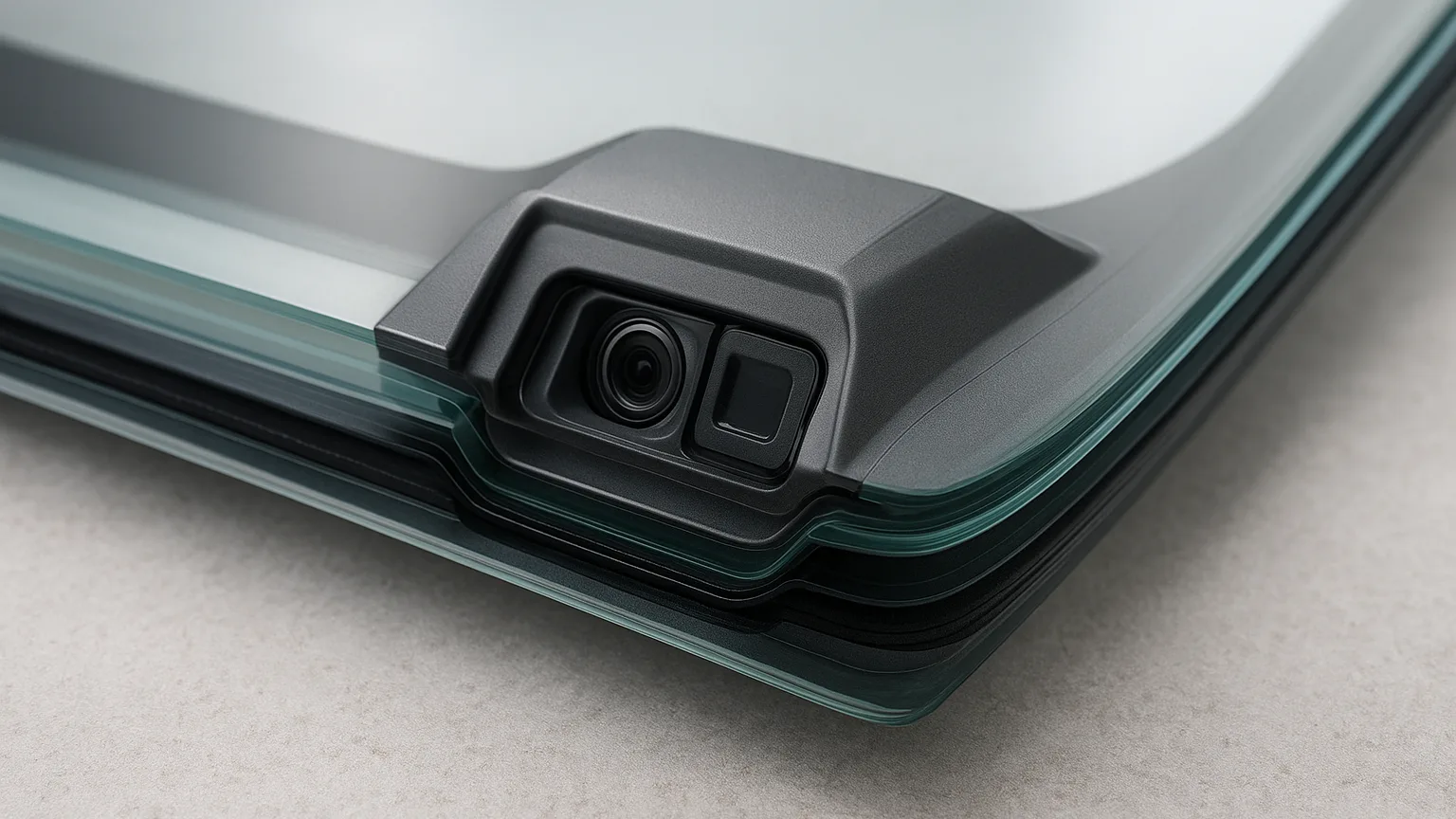
This is the big one. Forward cameras for lane keeping and auto braking sit behind the mirror, bonded to the glass. Rain and light sensors often share the spot. Drivers tend to trust these systems more than they should, and any level 2 car crash report makes clear the human still owns the outcome.
Stack it all together and a $250 replacement can now run $1,000 to $1,800 before calibration even starts.
The glass is only half the bill. Once a new windshield goes in, the forward camera has to be re-aimed. Shops call this ADAS calibration, and it has turned a glass trade into something closer to electronics repair.
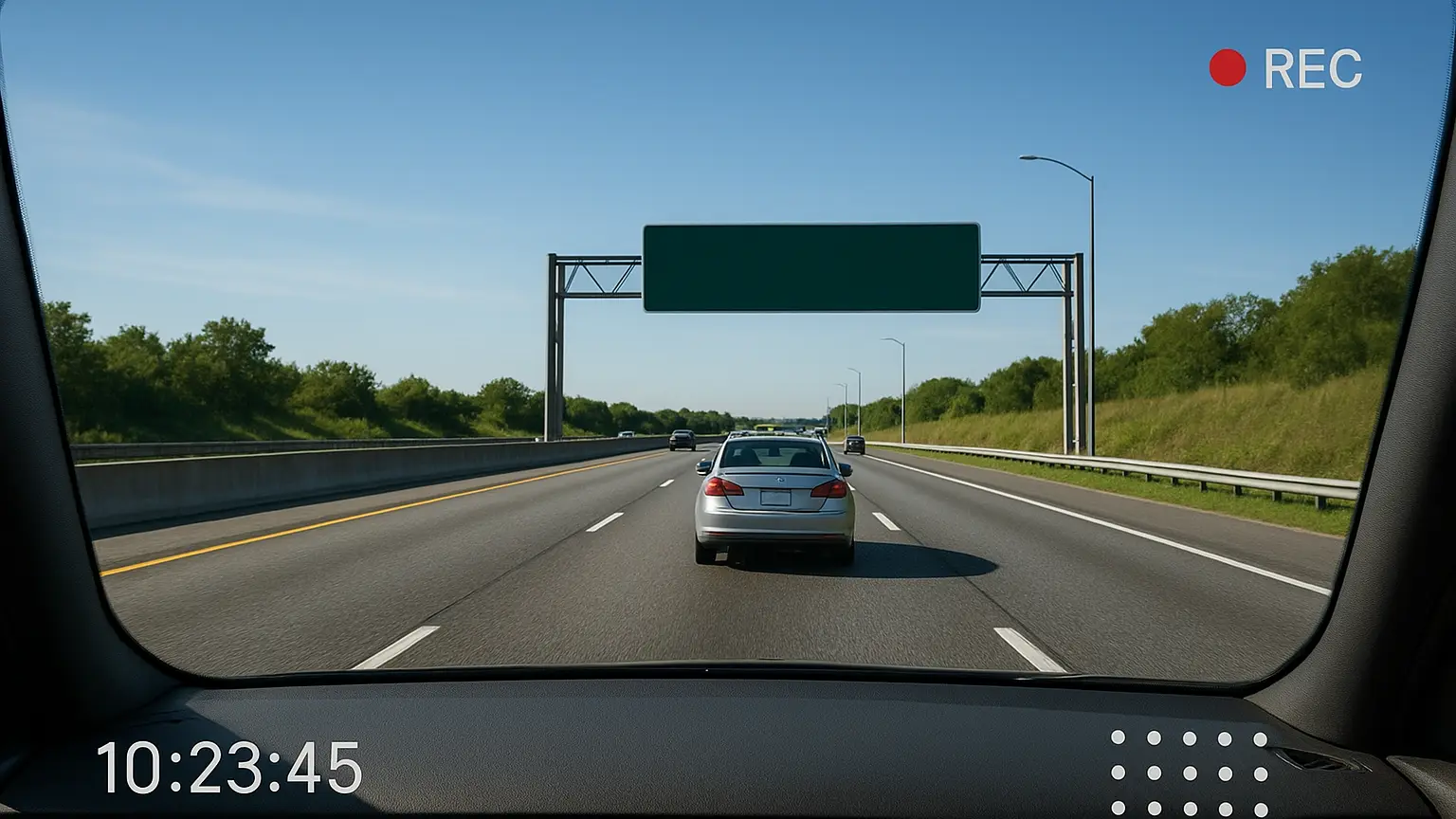
A camera that sits even slightly off can misread lane lines far down the road, because small errors grow with distance. That is why the industry treats camera recalibration after replacement as a safety step, not an upsell.
Calibration often adds $150 to $500 to a claim. Shops that do it in house spent tens of thousands on gear and training. Shops that don't must send cars to a dealer, which adds a day and another invoice.
Insurers built glass programs around fast, mobile service. A tech showed up in a driveway and the claim closed that day. Calibration breaks that model. Many static jobs can't happen in a parking lot, so the driveway visit becomes a shop visit. Cycle time rises, rental days rise, and so does the total cost.
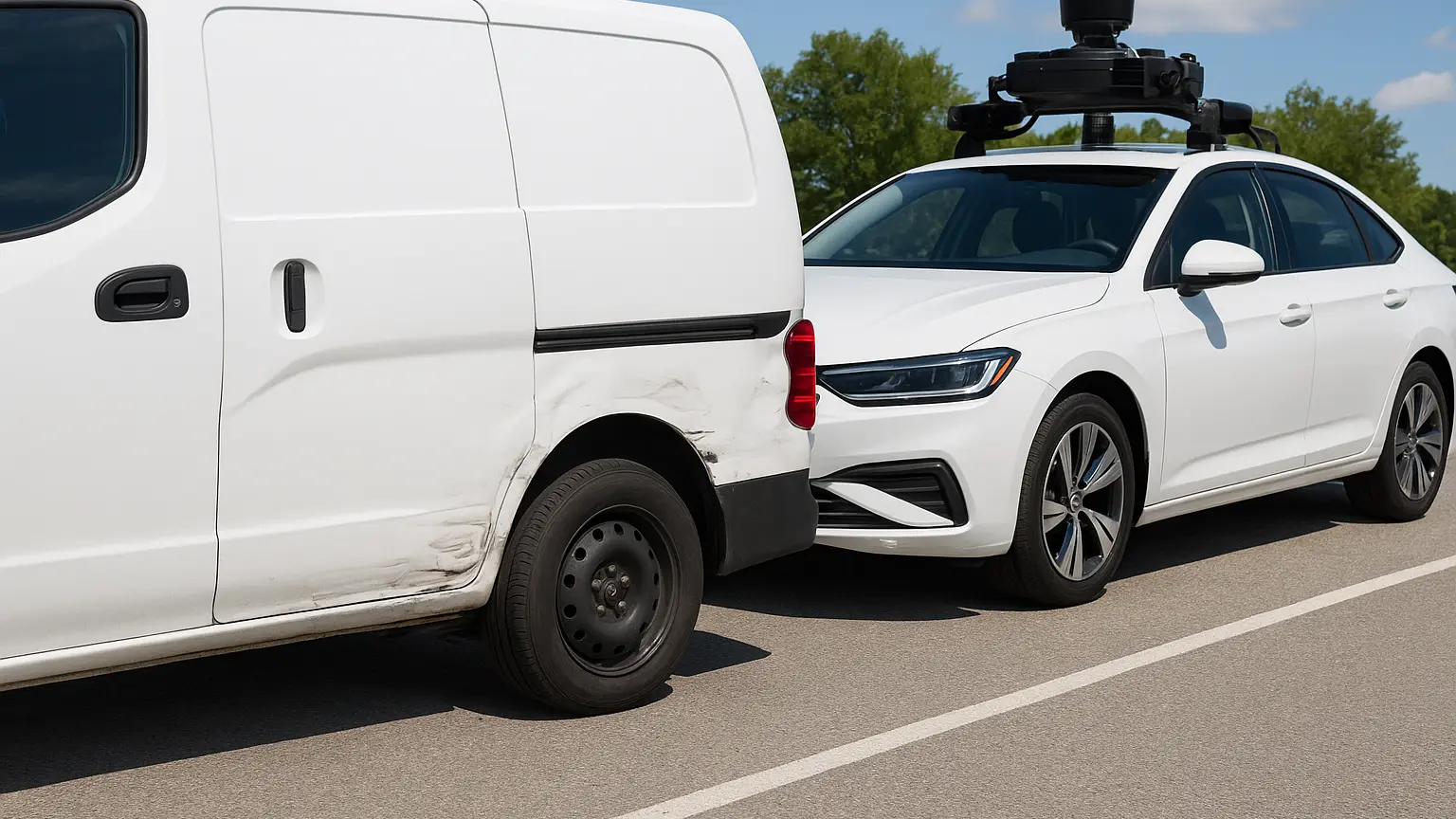
Liability adds another layer. If a poorly aimed camera plays a part in a crash, the blame can land on the glass shop, the calibration vendor, or the driver who ignored a warning light.
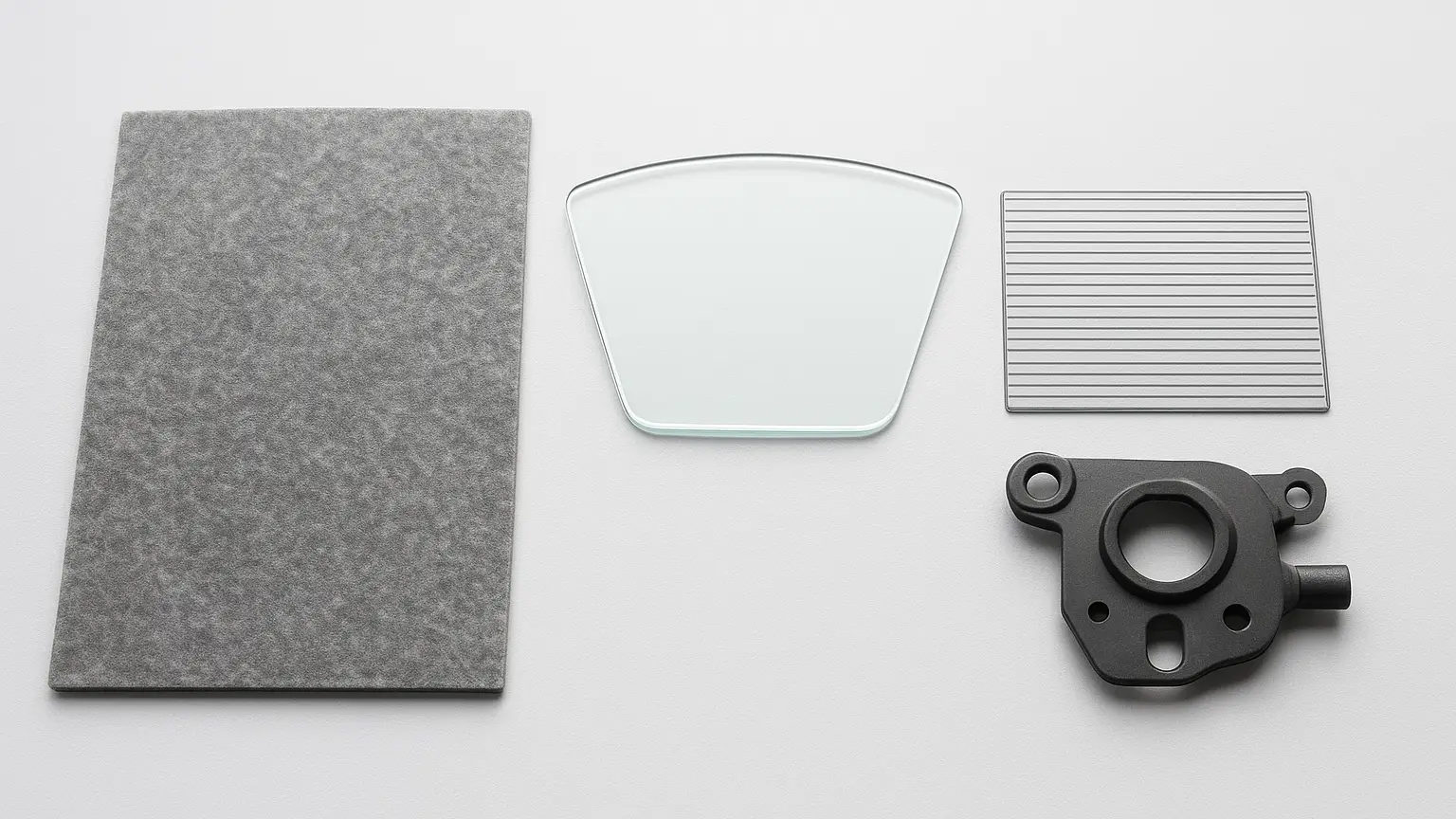
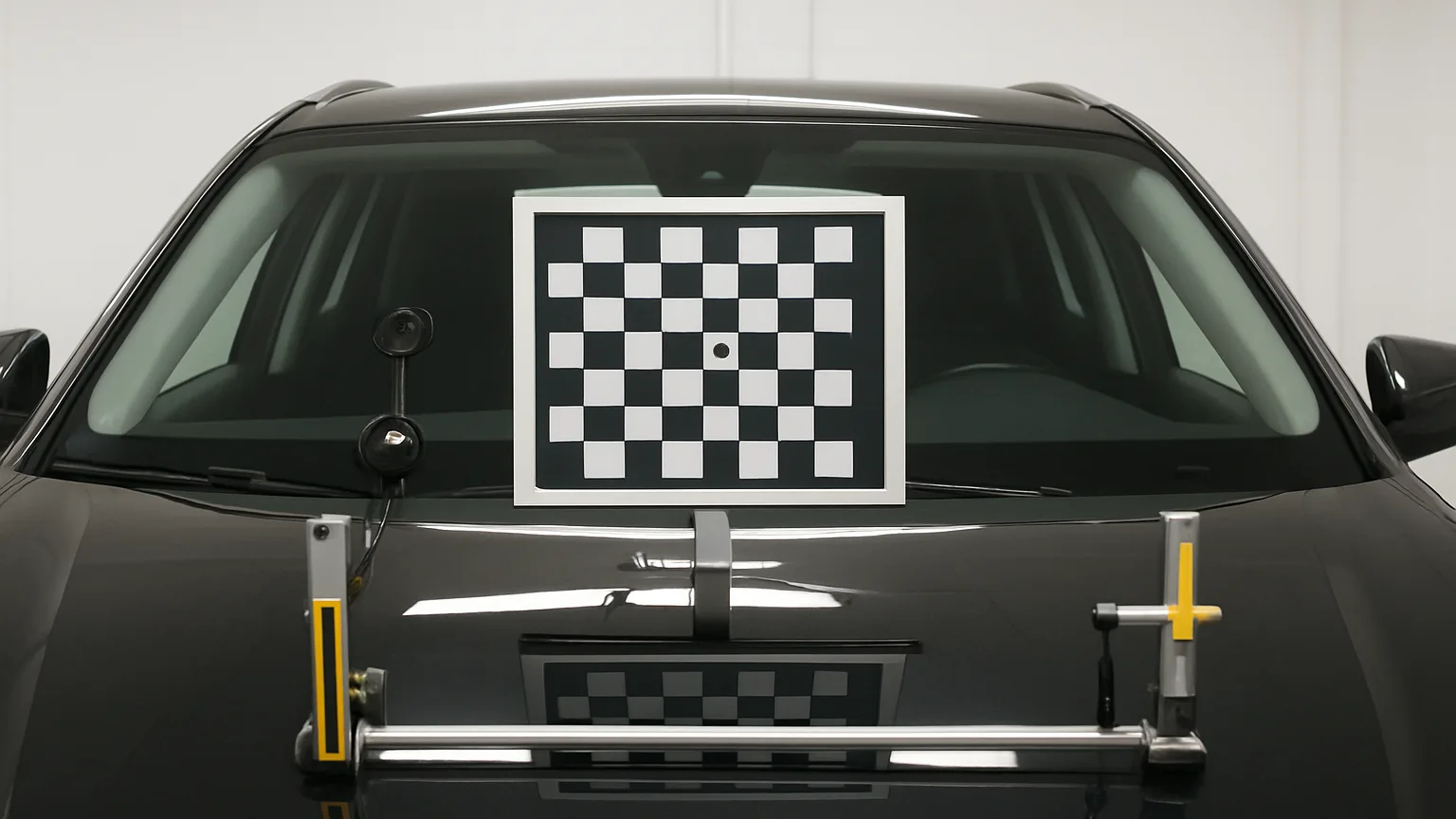
Some brands now state that only factory glass should go on cars with camera systems. Others are moving sensors off the windshield into the grille or roofline, partly to cut repair costs. Expect more of that as radar spreads to everyday models.
Independent shops face a clear choice: invest in calibration or lose work. Many now partner with mobile calibration vans or regional hubs. The winners sell clear timelines and proof of work. Chasing the lowest quote is a pricing habit that leaves no margin for the gear this work demands.
"Motorhome windshields are huge, often split, and newer coaches carry cameras owners never think about," says Ray Castillo, senior RV glass technician at Expert Auto Glass Repair. "People are surprised when the quote includes calibration. We spend as much time on insurance paperwork as we do setting glass."
The windshield stopped being a simple pane the moment it started holding cameras, display layers, sound damping, and heat. Each feature makes driving better, and each one quietly raises the price of a cracked windshield. Calibration then turns a quick swap into a tech job, which breaks the fast, cheap model insurers built their glass programs on.
Insurers are tightening rules and pushing early repair. Automakers are rethinking where sensors live. Shops are betting on calibration and paperwork over price. For drivers, the smart move is simple: fix chips early, ask about calibration, and know your coverage before the next rock flies.