Level 2 systems steer and brake, but the law still calls you the driver. Here is how fault actually gets assigned after an assisted crash.
Part 1 of 3 in the series Hands Off, Still Liable: Who Pays When the Car Is Driving.
There is a gap between what a driver assistance system is sold as and what it is engineered to do. Usually it is harmless. It becomes expensive the moment a bumper meets a guardrail, because the crash report, the insurer, and eventually a courtroom all work from the engineering definition, not the badge on the trunk lid.
This three-part series was developed with insights from Mooshekh Law Firm, whose work on collision claims shaped the questions drivers should be asking long before anything goes wrong. Automation changes how you drive; it has barely changed who pays.
Almost everything on a dealership lot today sits at Level 2 on the industry's zero-to-five scale: the car handles steering and speed at once, under conditions it recognizes, while a human stays responsible for watching the road and taking over instantly. Level 2 is not a junior driver. It is a very good pair of hands with no judgment attached.
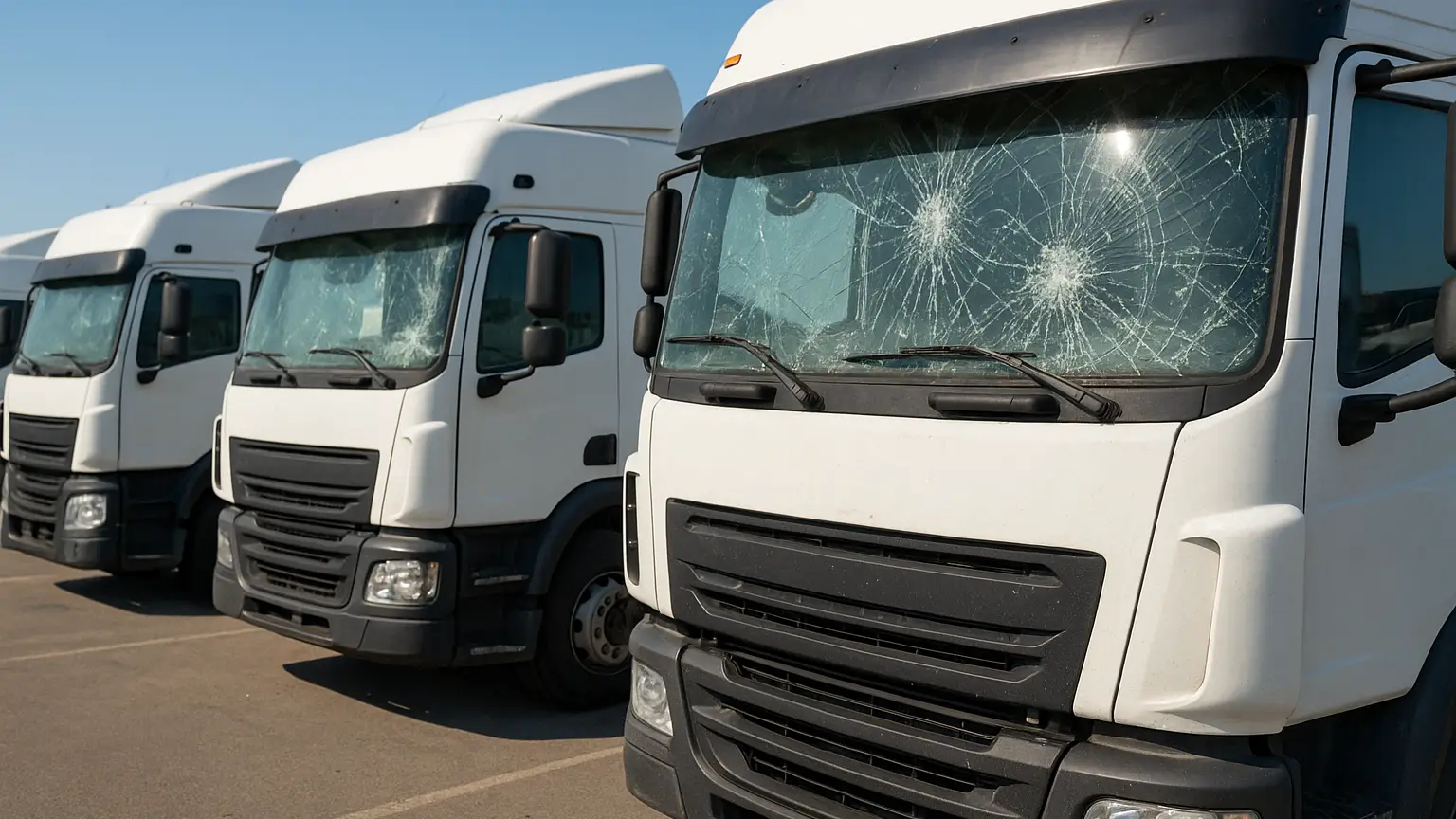
Nothing on that list perceives the world the way you do. The system does not know the car two lanes over has a wobbly trailer, or that the sedan ahead has been braking erratically for three miles. It reacts to what its sensors measure in the current frame, and most of those sensors look out through the windshield, which is why the glass shop you choose after a chip matters more than it used to. You supply the context, the prediction, and the accountability.
The dynamic driving task is the real-time work of driving: steering, braking, accelerating, monitoring, responding. At Level 2 the vehicle performs parts of it; the human monitors and stays the fallback. That last clause is the whole ballgame. Being the fallback means the law treats you as the operator from driveway to parking space, hands on the wheel or not. Turning a feature on does not transfer the duty — it only changes what you were doing when the duty was breached.
Marketing departments did not invent these names to deceive anyone. They invented them to sell confidence, which is precisely what a Level 2 driver cannot afford too much of. Autopilot implies an aircraft system that flies the plane. ProPILOT implies a professional at the controls. Full Self-Driving implies, in plain English, a car that drives itself. Drive Pilot, Super Cruise, BlueCruise, Highway Assist: every one borrows the vocabulary of delegation.
Owner's manuals say something very different. Buried in warnings no one reads at the dealership, manufacturers state that this is a driver assistance system, that the driver must remain attentive, and that the driver must be prepared to take control at any time. Those sentences exist for exactly one reason: they are the paper trail that survives the crash.
Research into how owners actually use these systems keeps finding the same pattern. Drivers who believe the car is handling things look away longer, take their hands off the wheel more often, and react slower when something unexpected appears. The more the system succeeds on routine miles, the more trust it earns, and the less prepared the human becomes for the rare mile where it fails. Engineers call this automation complacency. Claims adjusters call it distracted driving. Both describe the same person in the same seat — and the lesson matters as much as noticing whether your tires keep a diary of your alignment habits: safety equipment only works if you know what it does and what it will not do.
Over-the-air updates widen the gap. The car you bought in March may behave differently in November; a system that used to disengage on tight curves might now attempt them. Drivers rarely read release notes, so their mental model drifts out of sync with the software actually running. After a crash, that drift is a fact pattern, not an excuse.
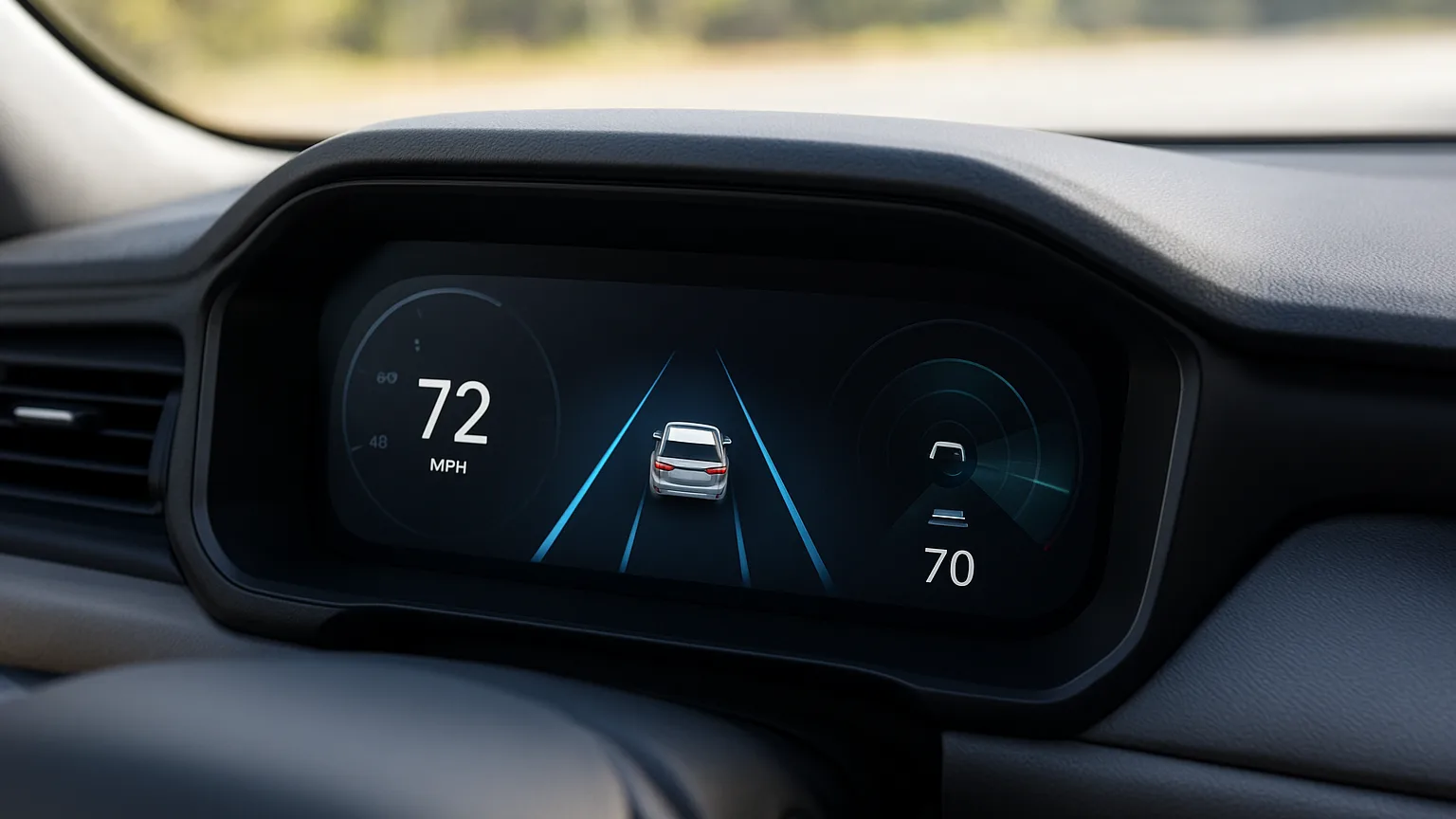
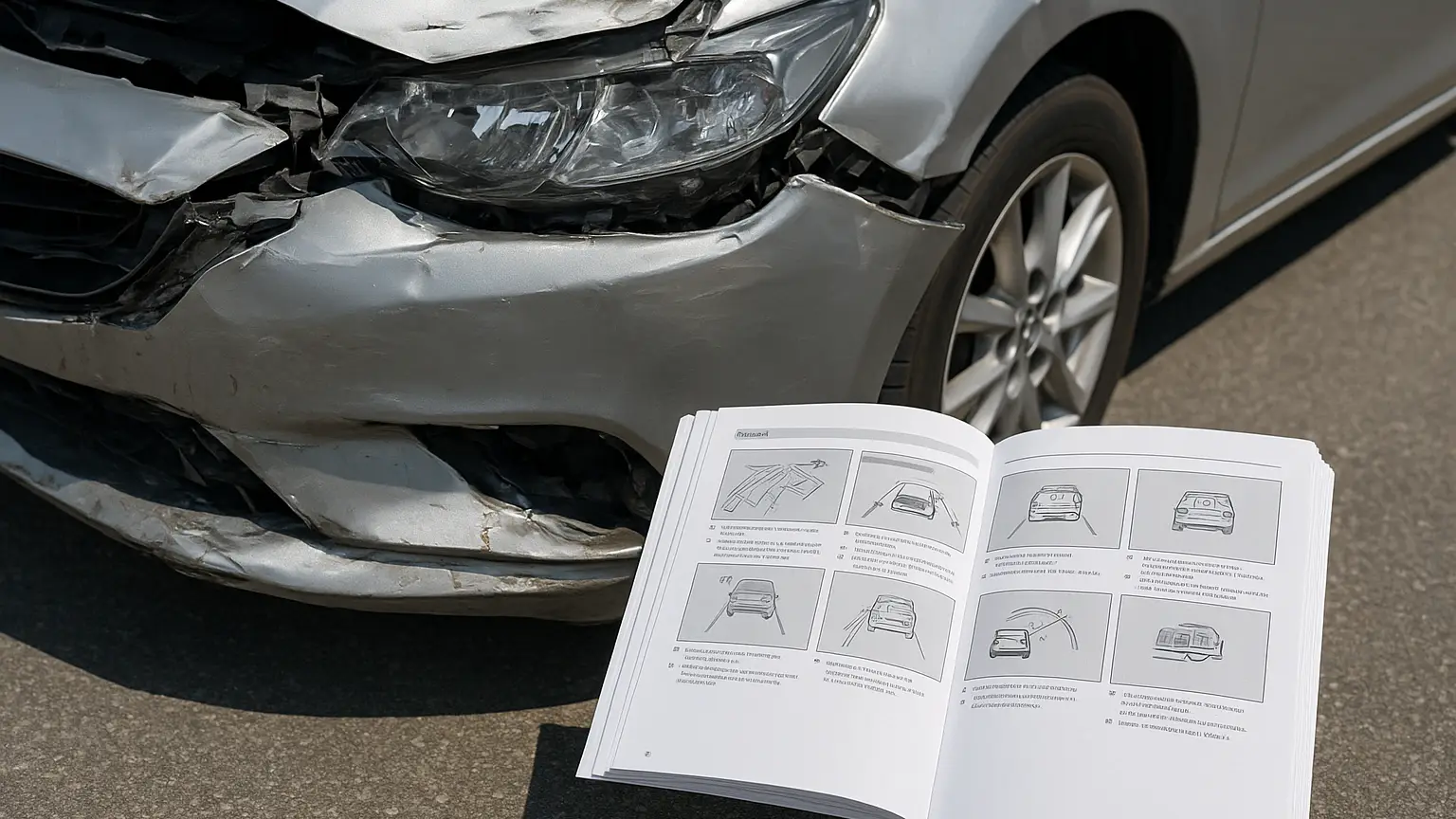
Modern vehicles record more than most owners realize. After an incident involving an active assistance system, the reconstruction does not rely on memory. It relies on logs.
That establishes what the car did and what you did. It does not establish that the system was defective — a separate and much harder argument, which is why attorneys who handle serious collision injury claims treat product liability as a different track from driver negligence.
In almost every jurisdiction, the starting assumption after a Level 2 crash is that the human operator failed to supervise. Shifting responsibility toward the manufacturer requires something specific: a design that invited foreseeable misuse, an inadequate warning, a failure the system should have handled within its stated operating conditions, or marketing that materially misrepresented capability. Those cases exist, but they are the exception. The ordinary outcome is that the driver's insurer pays, the driver's rates move, and the badge on the trunk lid appears nowhere in the settlement. Preserve the vehicle, the data, and an accurate account of what the system was doing: access narrows fast in the first days.
Today's automation is genuinely good: it reduces fatigue, smooths traffic, and prevents a measurable number of crashes. None of that changes its legal status. A Level 2 vehicle is a car with excellent assistance, operated by a human who remains answerable for every mile. The name on the feature is a product decision; the responsibility is a legal one, and the two were never connected.
The real danger is not the technology failing. It is the quiet erosion of attention that happens when a system works well for months and the driver stops rehearsing the takeover that eventually arrives. That handoff is where the next part of this series goes: the three seconds after the alert sounds, and what the logs reveal. The question after that gets harder, because driverless vehicles share your streets now, and when no one is in the seat at all, the entire framework above has to be rebuilt from the ground up.