Salt spray, snow-covered lines and low sun trigger handoffs. Here's how crash data assigns blame in the seconds after your car says "take over."
Part 2 of 3 in the series Hands Off, Still Liable: Who Pays When the Car Is Driving.
The first part of this series made a point that surprises a lot of drivers: no matter what the feature is called on the dash, a Level 2 system keeps the legal driver in the seat. That answers who owns the crash. It does not answer the harder question, which is how anyone proves what happened in the handful of seconds before impact.
This series was developed with insights from Mooshekh Law Firm, whose work on vehicle collision claims shaped how we look at the narrow window between a system alert and a driver's hands returning to the wheel. That window is shorter than people think, and in cold-weather crashes it is where fault gets decided.
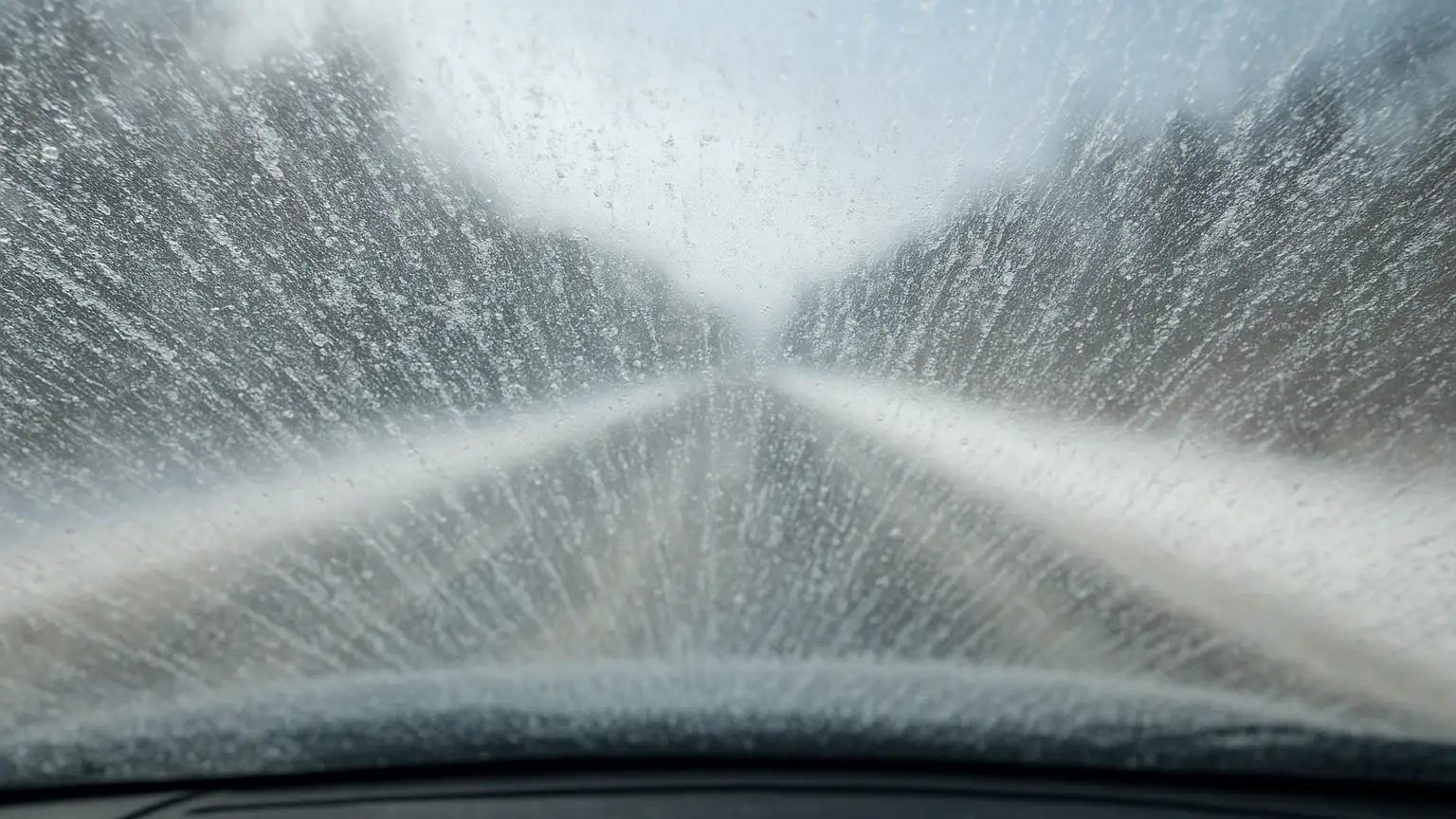
Driver assistance does not fail dramatically. It fails quietly, by losing confidence. Every lane-centering and adaptive cruise system runs on a stack of inputs: forward cameras, radar, sometimes ultrasonic sensors, and a steady read of painted lane markings. Winter attacks all of them at once, and the shops with a dependable glass supply tend to see the consequences first, on the calibration bench.
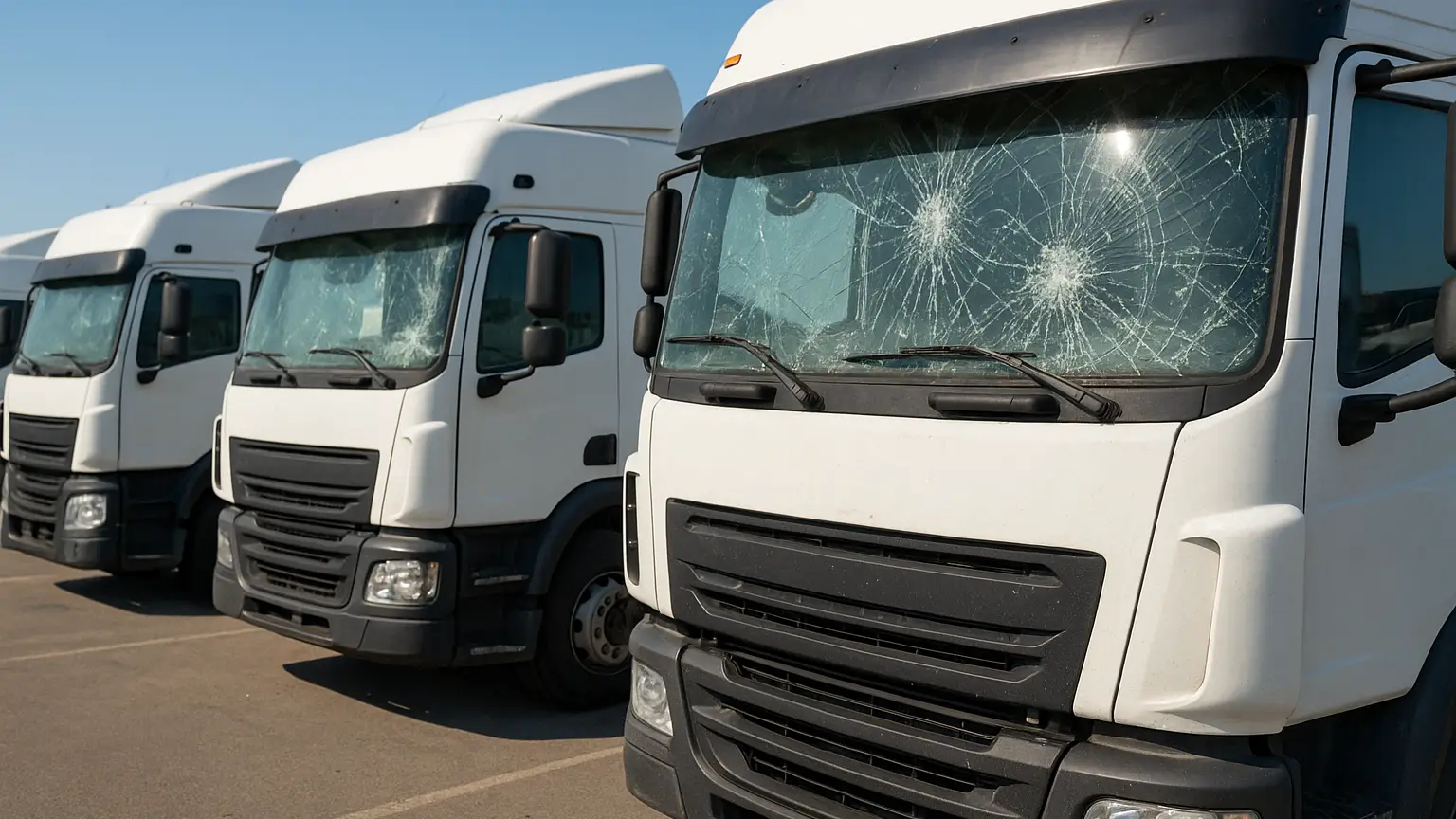
Drivers register these conditions as annoying weather. The camera registers them as a reason to stop steering. The same windshield issues that matter when a camera needs recalibration are the ones that trigger a disengagement at 65 miles per hour: a chip in the wrong spot, an aftermarket replacement never recalibrated, a worn wiper smearing brine across the camera's field of view. Shops that understand this have an edge, which is part of why the partner feeding your competitor replacements keeps winning calibration work other operators turn away.
When a system gives up, it tells you: a chime, a red steering wheel icon, a seat vibration, sometimes a spoken prompt. Then it stops steering. The gap between that alert and the moment the car needs a human input is often two to four seconds, and most analysis of these crashes lands on roughly three seconds as the deciding window. Three seconds sounds like plenty. It is not, because the clock does not start when the alert sounds. It starts when the driver notices it.
Researchers studying automation call the middle step the expensive one. A driver who has been monitoring instead of driving has let go of the mental model of the road, and rebuilding it in snow, at dusk, with a truck in the blind spot is not a one-second task. Handoff crashes cluster in exactly the conditions that cause handoffs: the system quits when the road is hardest, which is also when the driver needs the most time.
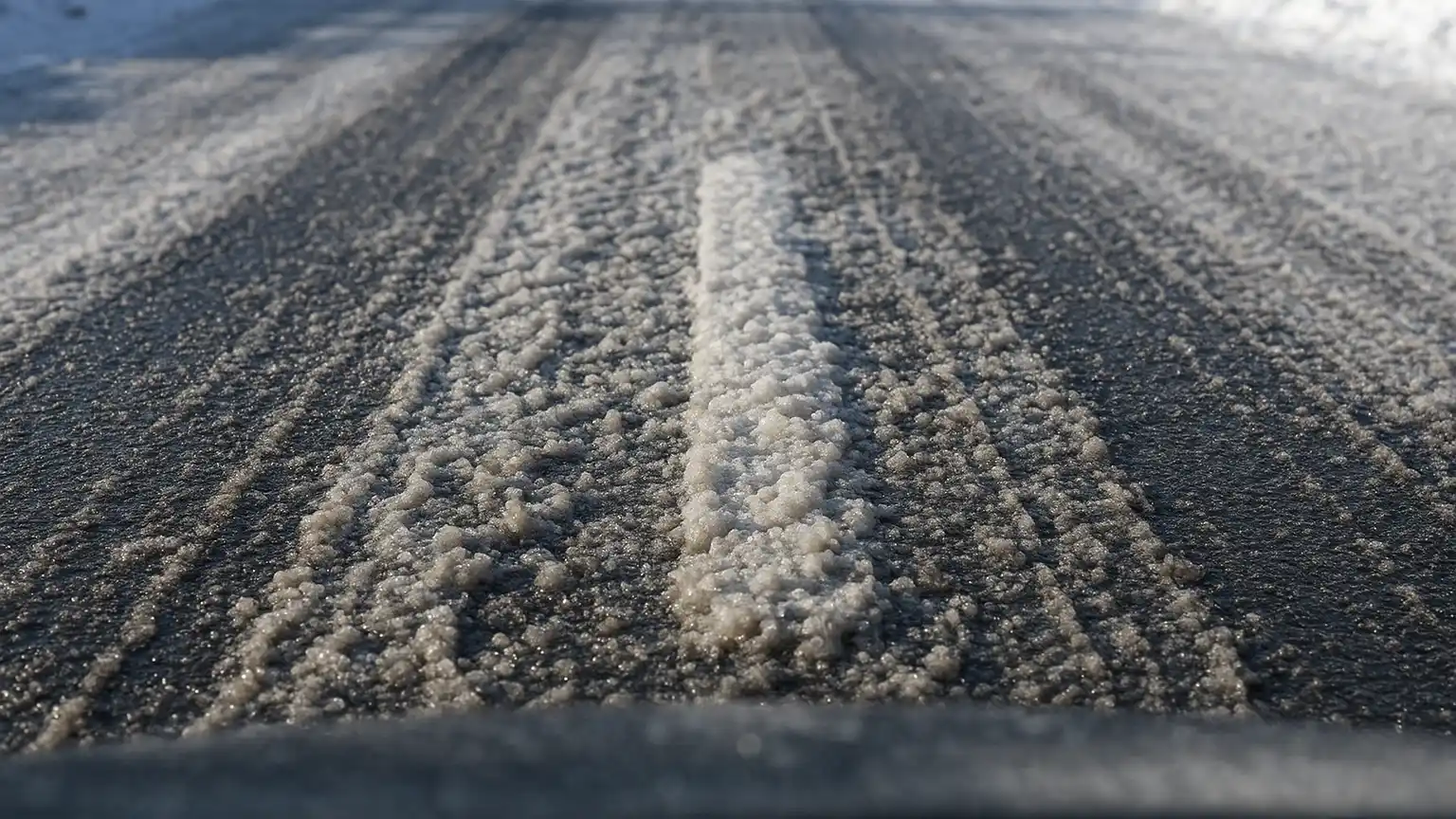
Cold adds a second layer. Grip is already reduced, so a hurried correction is more likely to break traction. Attorneys who handle these cases, including the team at Mooshekh Law Firm, often find that the recoverable error in dry conditions becomes an unrecoverable one on a salted, half-frozen surface. Tread depth matters enormously, and the same wear patterns drivers learn to read when their tires keep a diary show up again in crash reconstruction.
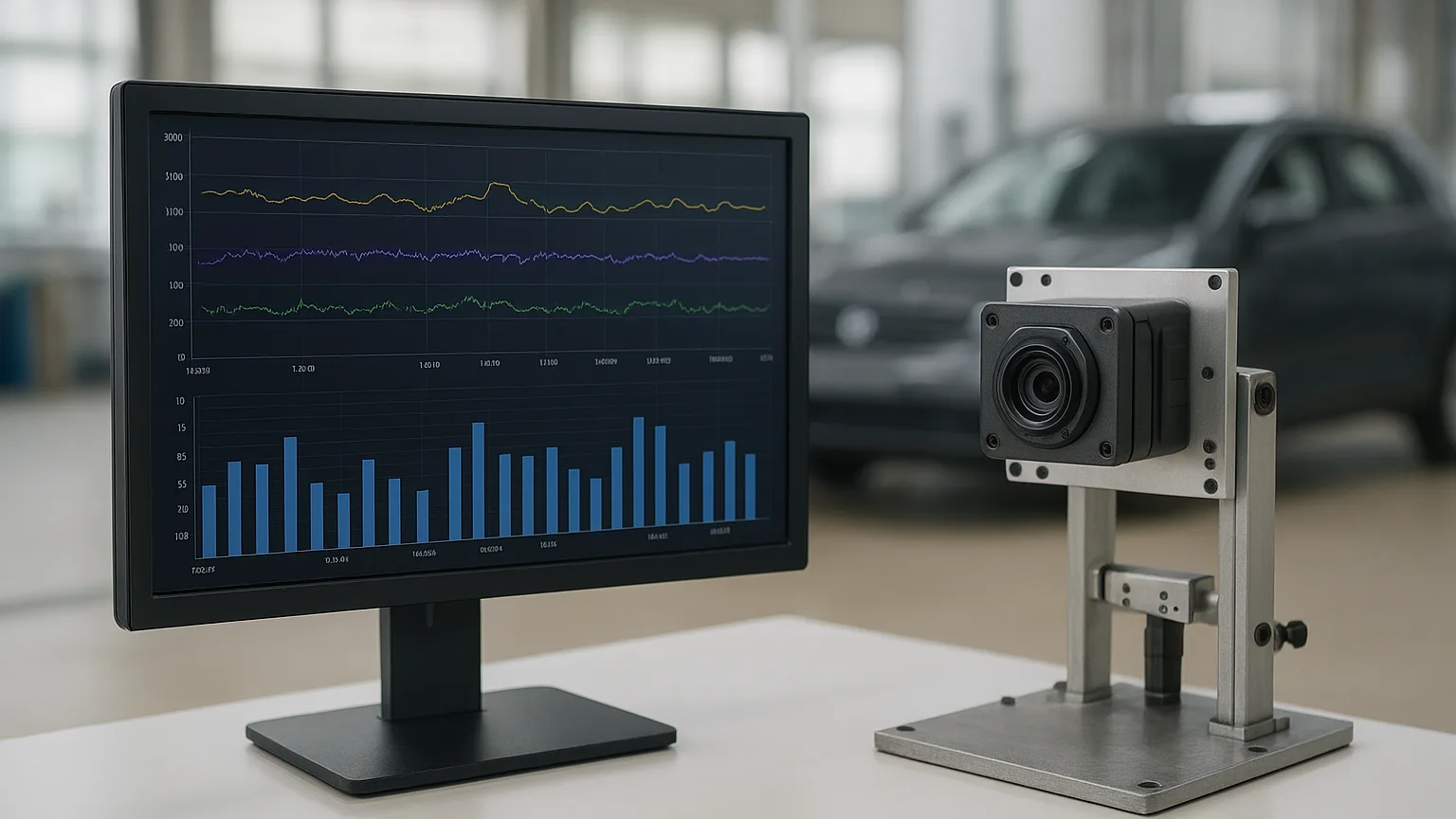
Here is what changes the claim. In a conventional rear-end collision, investigators work backward from skid marks, damage geometry and statements. In a handoff crash there is a timestamped record of almost everything, and it usually contradicts somebody. A download can show the exact second lane centering disengaged, whether the alert was visual or audible or both, whether hands were detected on the wheel, steering angle, throttle and brake position, speed, often a short clip of forward camera footage, and how many times the driver had been warned earlier in the same trip.
Fault is rarely one hundred percent anywhere, and insurers argue over percentages. Comparative negligence rules mean a driver who reacted in two seconds instead of one may still recover a large share of damages, which is why the specifics of injury claims after a collision turn on the data download rather than the police narrative alone.
Access is its own fight. The log sits in a vehicle that may be totaled, held in a storage lot, or controlled by a manufacturer with its own interest in the outcome. Preserving it early is the difference between a provable case and a swearing contest. That problem gets sharper when there is no driver at all to question, which is where this series goes next as we look at who answers for a driverless vehicle and what fleet operators should be negotiating before deployment zones widen.
Winter does not break driver assistance so much as reveal what it always was: a comfort feature with conditions attached. Snow over lane lines, brine on a camera lens, a low sun at 4:30 in the afternoon are not edge cases in most of the country. They are January. When the system hands back control, it is handing back the hardest version of that road at the exact moment it decided it could no longer manage. The practical takeaway is unglamorous. Keep the glass clean and the sensors calibrated, treat every chime as a demand rather than a suggestion, and understand that the car is recording how long you took to answer. If a crash does happen, the vehicle's own memory will describe those three seconds with more precision than any witness, and that description will shape every dollar that follows.