Three parts on driver assistance and fault: what Level 2 really does, how handoff crashes get judged, and who pays when a driverless car causes damage.
Every new vehicle on a dealer lot now ships with some version of hands-on highway assist, and buyers hear the brand name long before they read the owner's manual. Three parts, one question running through all of them: when a car partly drives itself and something goes wrong, whose name ends up on the claim? This series answers that in plain terms, with the paperwork, the data, and the dollar figures that follow a crash.
It is written for drivers who use lane centering every day, for fleet managers signing off on vehicles with adaptive cruise and automated parking, for insurers sorting first-notice-of-loss files that now arrive with telematics attached, and for dealership staff who get asked "is it self-driving?" across the desk. The legal input that shaped these pieces came from Mooshekh Law Firm, a practice that handles collision claims where driver assistance was switched on at the moment of impact. Their read on how adjusters and courts treat these files runs through all three parts.
The problem is a gap. Vehicle capability sits in one place, driver belief sits somewhere further ahead, and liability law sits further back than both. That gap is where the crashes happen, and it widens the moment a sensor gets wet, a lane line disappears under salt, or a vehicle with nobody in the driver's seat pulls alongside your delivery van.
Part 1: Your Level 2 Car Is Not Self-Driving — and the Crash Report Will Say So Before You Do
Breaks down what Level 2 systems actually do versus what marketing names like "Autopilot," "ProPILOT," and "Full Self-Driving" imply, and why the driver remains legally in control of every claim that follows.
Part 2: The Three Seconds That Decide Fault: Why Handoff Crashes Spike as Winter Road Conditions Degrade Sensors
Examines disengagement events — when rain, salt spray, snow-covered lane lines, or low sun force a system to hand back control — and how telematics, camera data, and reaction-time logs are used to assign blame in the seconds after the alert.
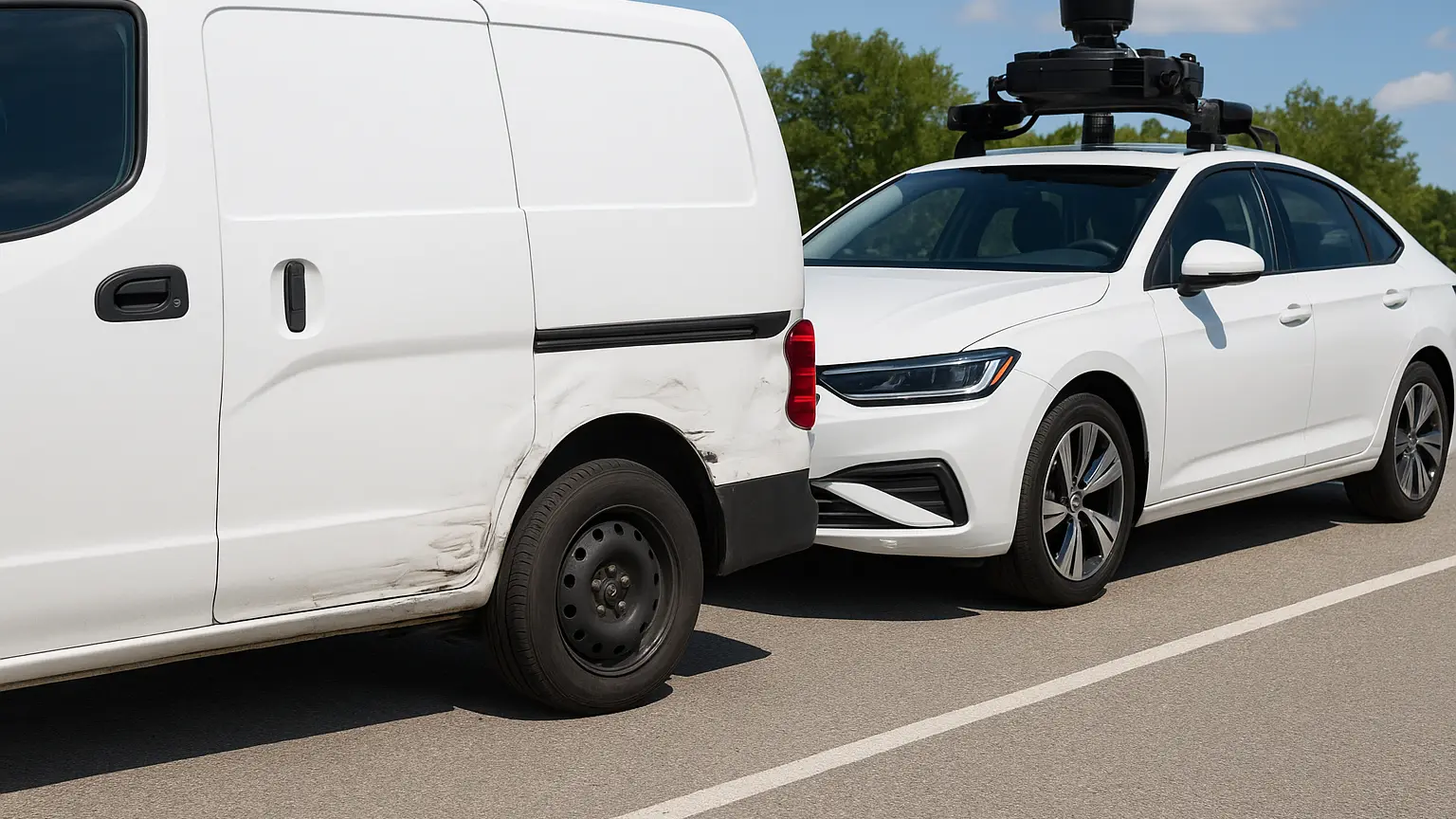
Part 3: The Robotaxi Is Already on Your Street — Settle Who Pays Before One Hits Your Fleet Vehicle
Maps liability when no one is behind the wheel, covering manufacturer and operator responsibility, data access fights after a driverless collision, and what commercial fleets and insurers should put in writing now as deployment zones expand.
The first stretch of the series takes apart the distance between a feature name and a feature's actual job. Autopilot, ProPILOT, Full Self-Driving, Super Cruise, BlueCruise: all of them describe Level 2 systems, which means the car can hold a lane and manage speed while a human stays responsible for watching the road. Nothing in that arrangement moves legal control away from the person in the seat.
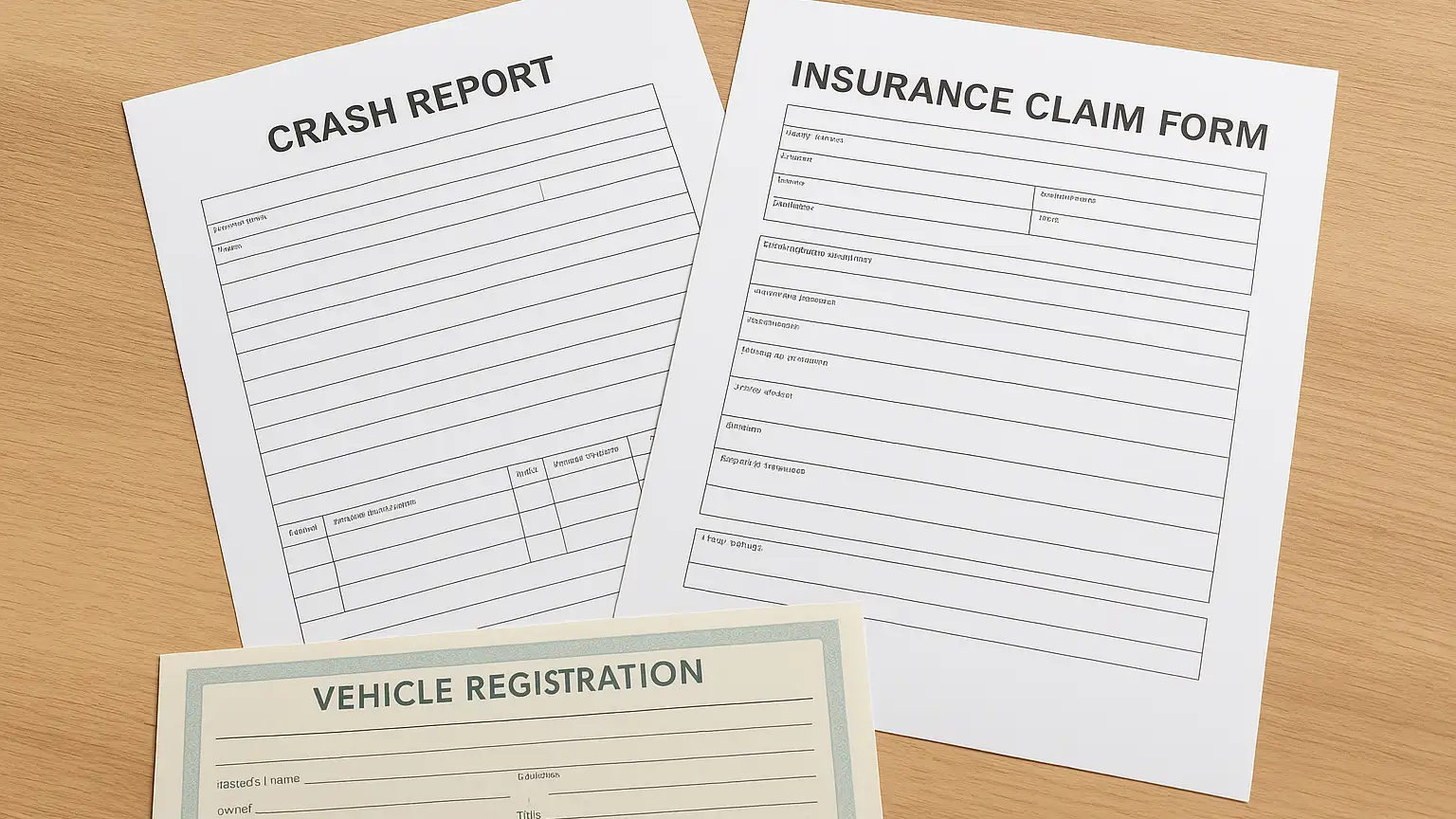
Part one walks through what that means after impact. Police reports, insurer statements, and comparative fault findings do not usually record what the driver thought the car was doing. They record following distance, speed, braking input, and attention. The part covers:
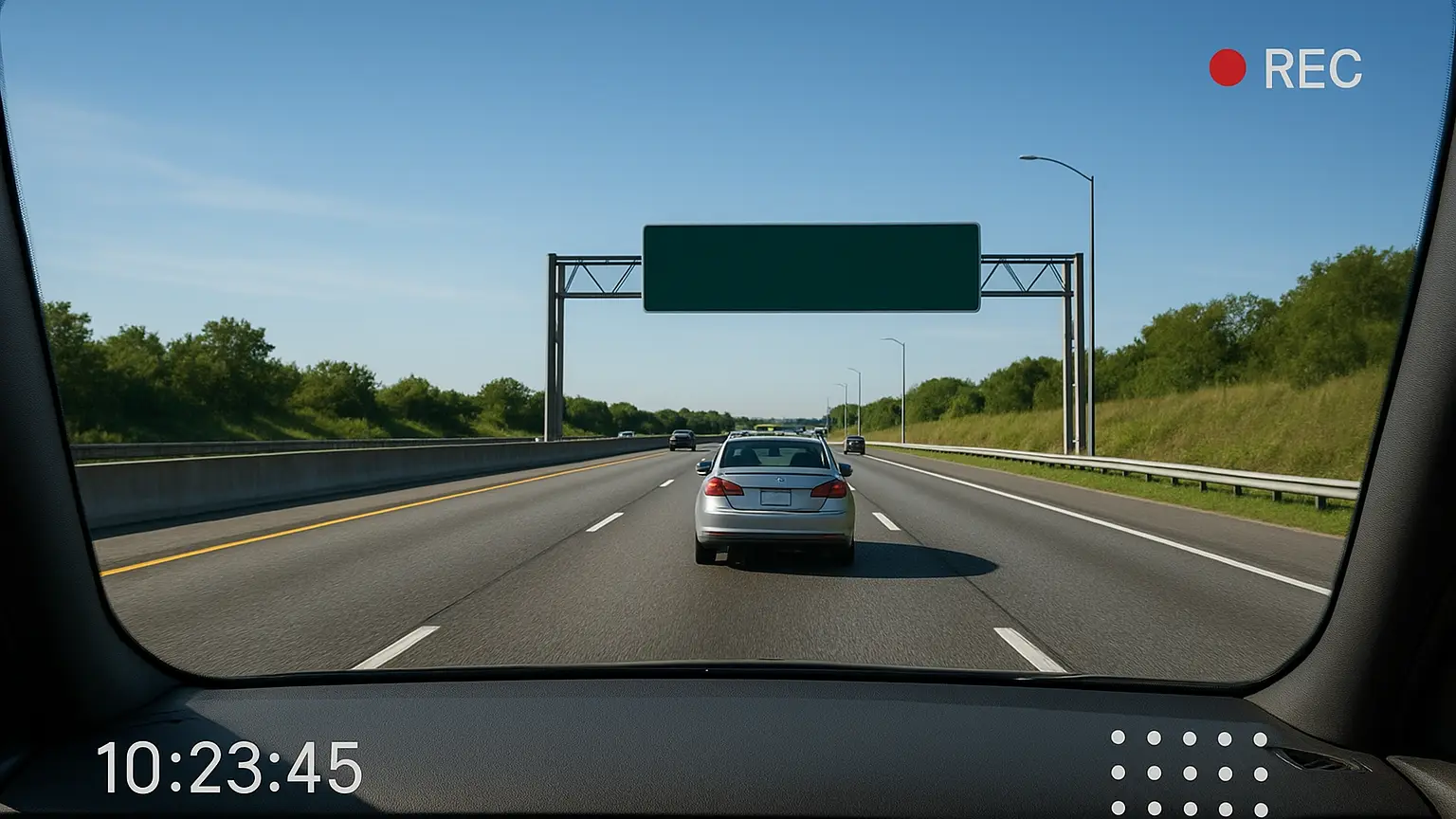
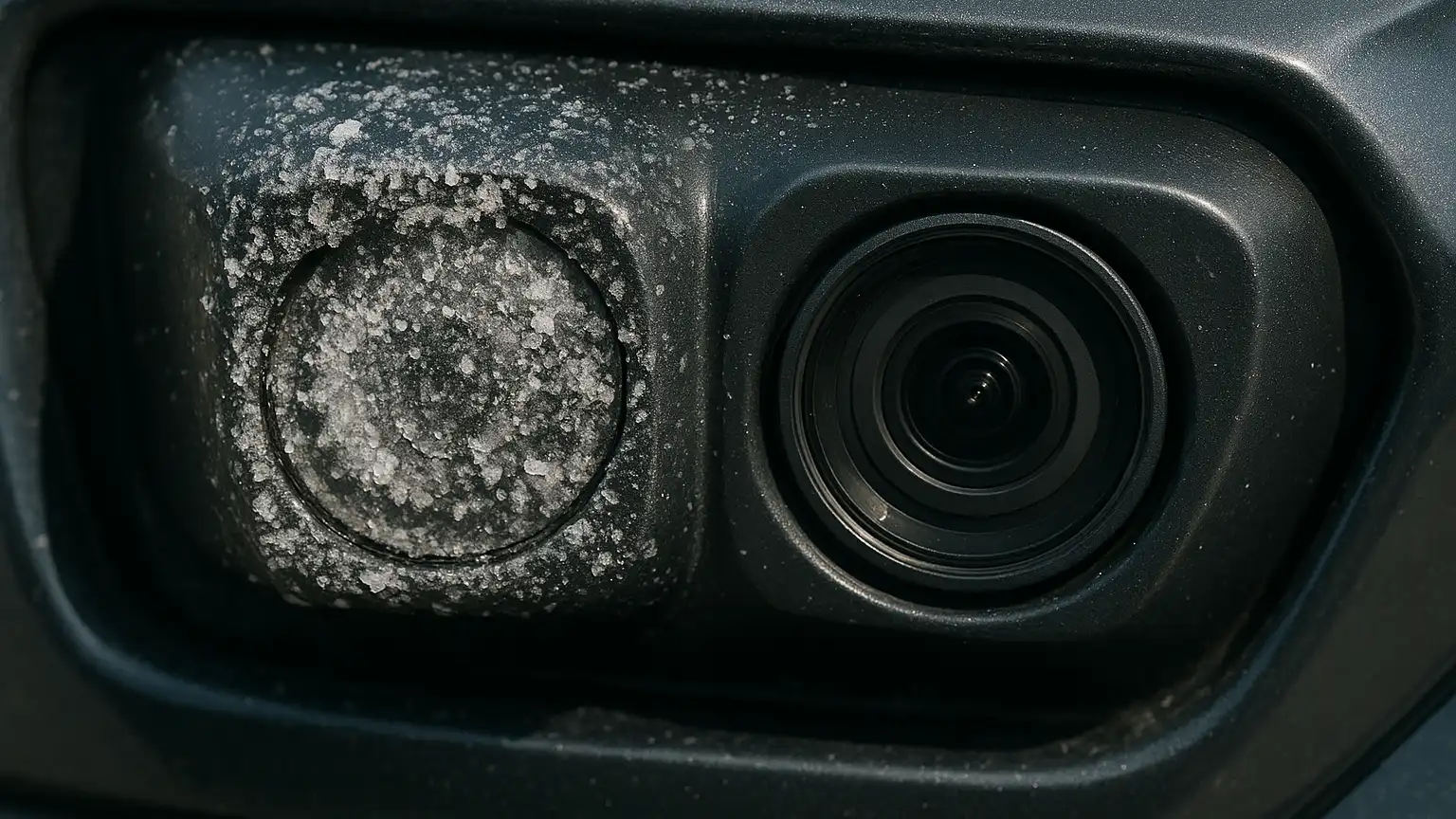
Part two narrows to the moment that produces the most argument: disengagement. Cameras lose lane markings under snow. Radar returns get noisy in heavy spray. Low winter sun washes out a forward camera at the worst possible angle. The system chimes, flashes, and hands control back. What happens in the next three seconds decides a lot.
This is where modern crash files stop looking like old ones. Event data recorders, camera footage, steering torque logs, and alert timestamps let an investigator reconstruct the handoff almost second by second. Part two explains how reaction time gets measured, why late takeovers and over-corrections carry different weight, and why winter driving conditions produce a seasonal spike in these disputes. It also covers what drivers and fleets can do before the weather turns, from understanding a system's stated operating limits to knowing which conditions should prompt switching assistance off entirely.
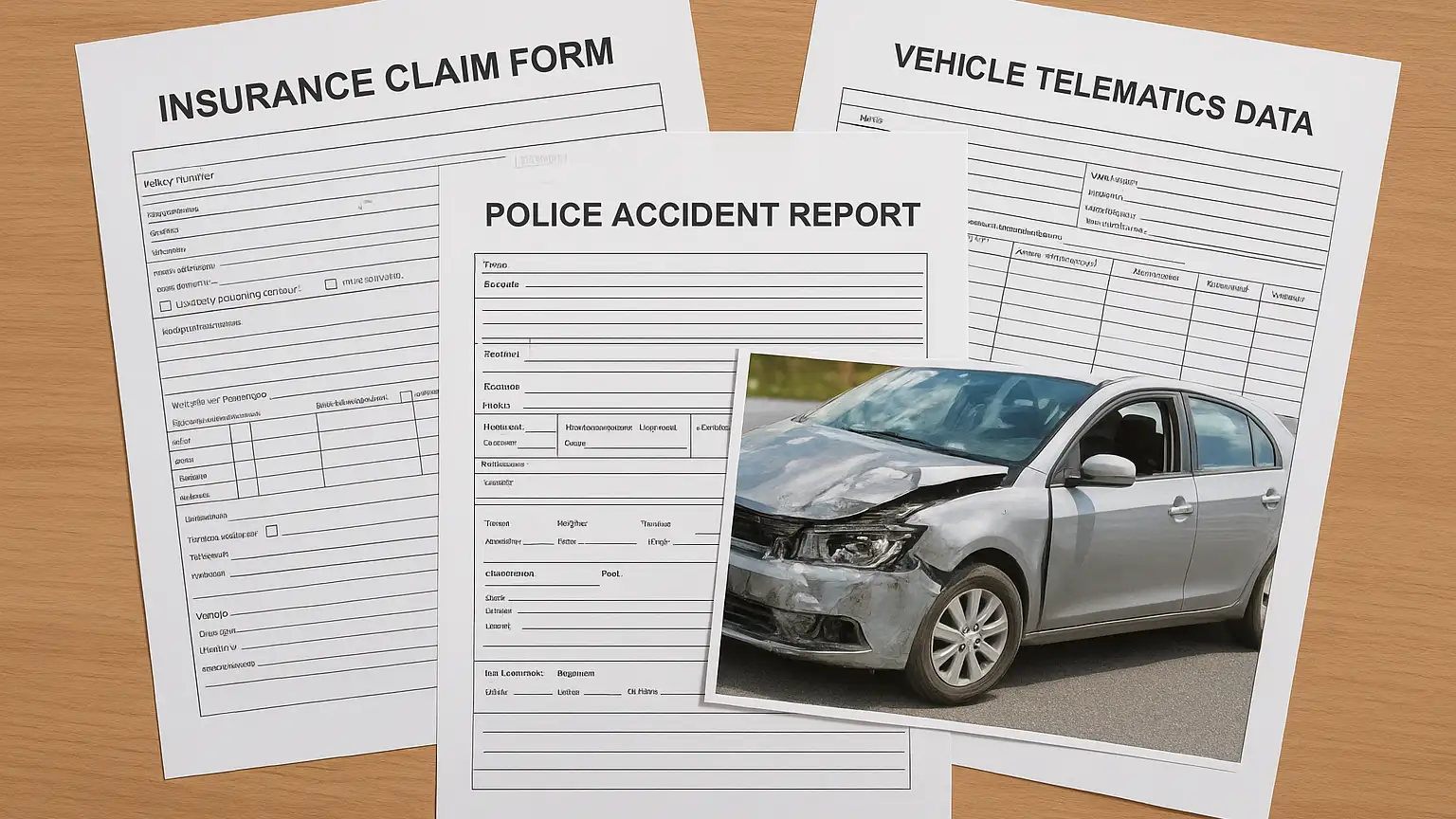
The final part moves past driver assistance to vehicles that operate without a human on board. Robotaxi and driverless delivery zones keep expanding into mixed traffic, which means ordinary commercial fleets now share intersections with them. When one of those vehicles causes damage, the usual question of driver negligence has no obvious target.
Part three maps the alternatives: the manufacturer, the fleet operator running the service, the software provider, and in some cases a remote supervisor. It covers the fight that almost always follows a driverless collision, which is access to the vehicle's own data, and it sets out what commercial fleets and insurers should be writing into policies, contracts, and incident procedures now rather than after their first loss.
Taken together, the parts below trace one line from a feature name on a window sticker to a settlement conference over a car nobody was driving. Each stage shifts responsibility slightly, and each stage leaves a different kind of evidence behind. Knowing which stage you are standing in is most of the battle.
Start at part one if you want the foundation, since the capability question shapes everything after it. If you already know where Level 2 ends, jump straight to the handoff analysis in part two or the driverless liability map in part three. Each one stands on its own.