Driverless fleets are spreading fast. Here is how fault, crash data access, and fleet insurance really work when the other vehicle has no driver.
Part 3 of 3 in the series Hands Off, Still Liable: Who Pays When the Car Is Driving.
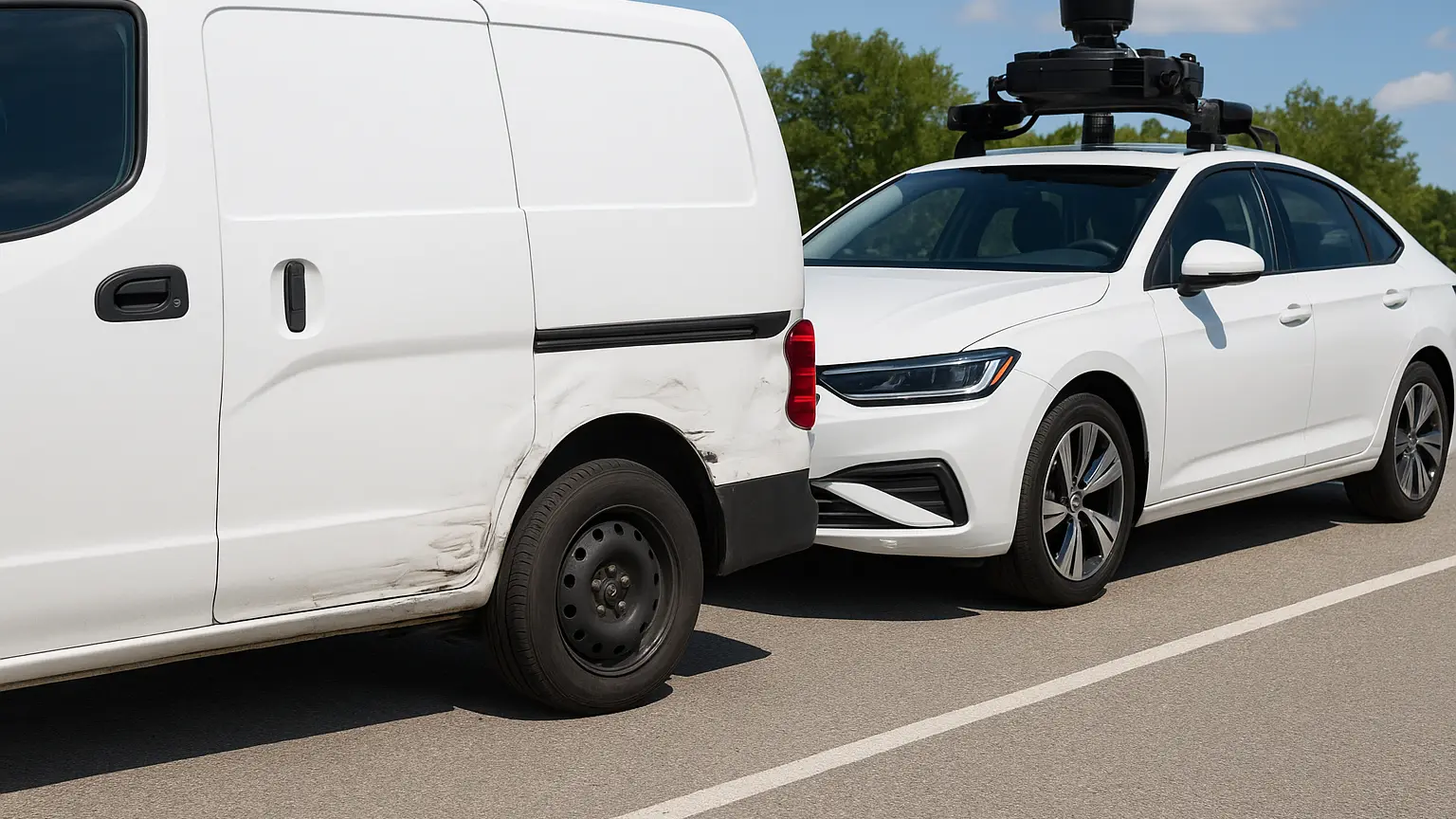
Part two of this series ended inside the three-second window where a driver assistance system hands control back and a human has to catch it. Now take the human out entirely. A driverless robotaxi pulls across an intersection, misjudges your parked service van, and clips the rear quarter panel. There is no driver to exchange information with, no one to admit fault at the curb. There is a vehicle, a camera cluster, a remote support line, and a company that owns the whole stack.
This series was developed with insights from Mooshekh Law Firm, whose work on injury and vehicle claims across the Southwest shaped how we framed the gap between what the technology promises and what the paperwork actually proves. Their point throughout has been simple: the crash is decided by records, not by impressions.
When no person is operating the vehicle, the negligence question of "what should a reasonable driver have done" does not disappear. It shifts to the entities that built and ran the system. Three parties usually sit in the frame:
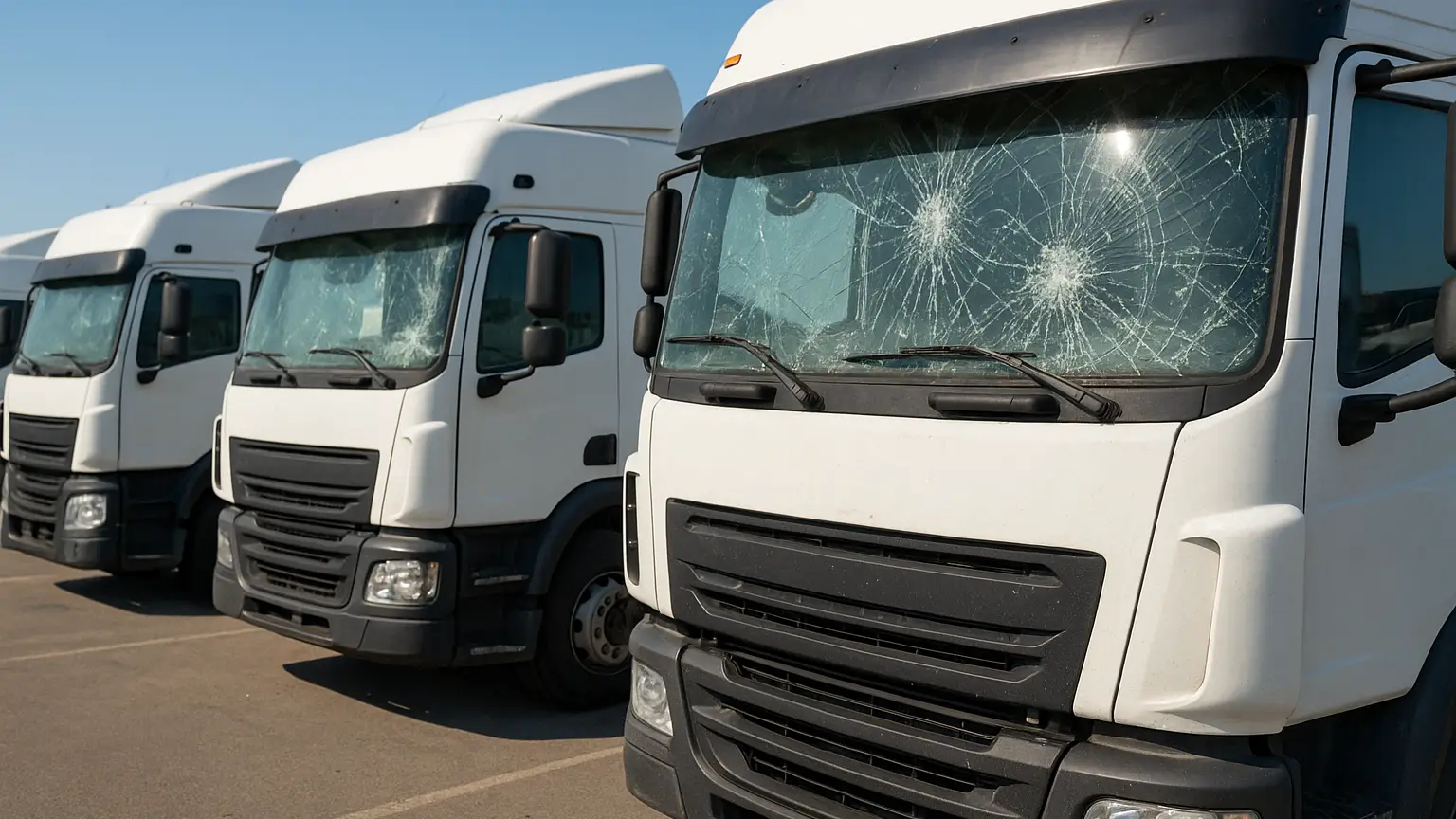
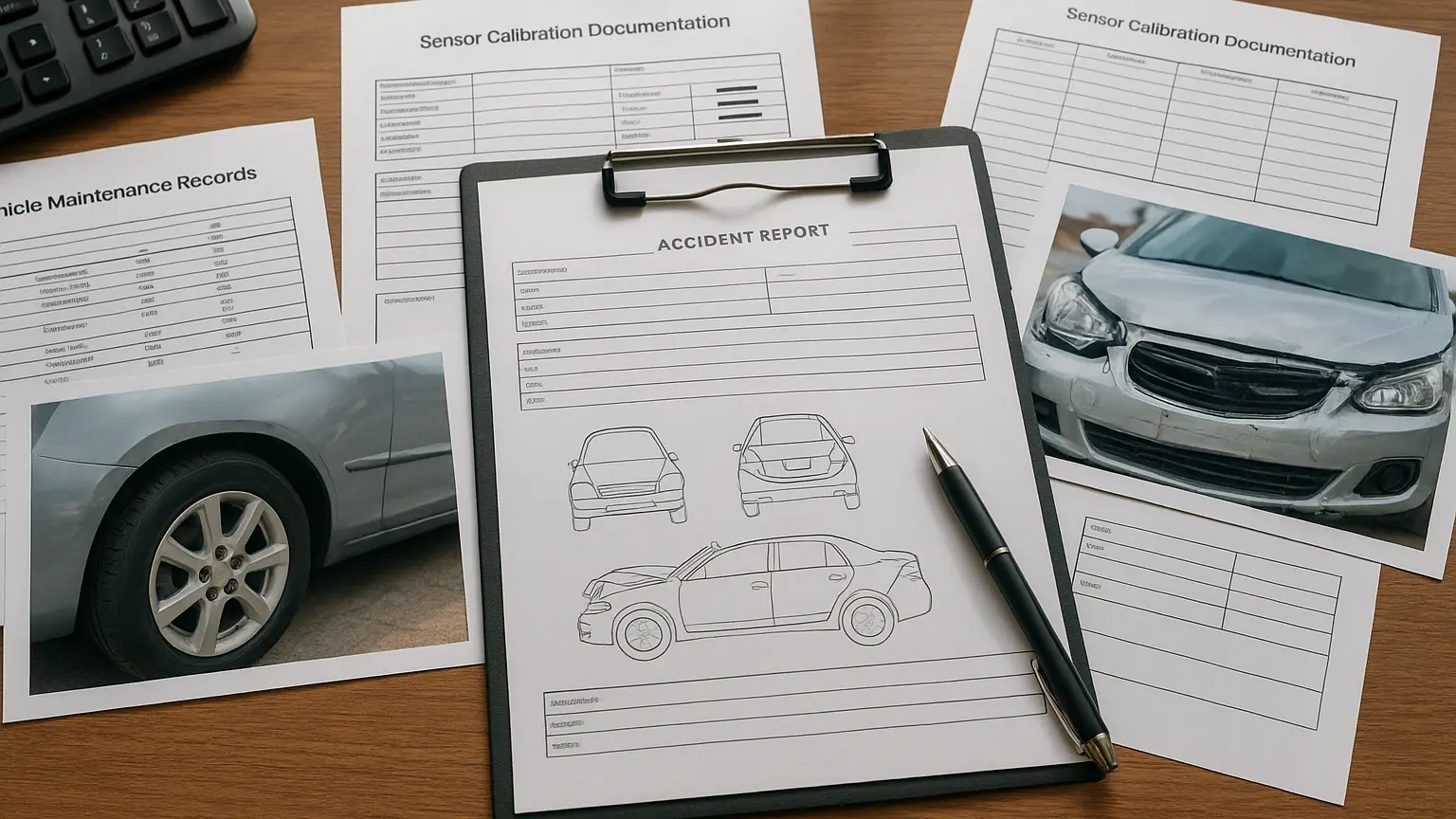
That third one surprises fleet managers the most. A poorly recalibrated camera after a glass replacement can change how a vehicle reads a lane edge, which is one reason nearby drivers call the other shop when calibration documentation matters. On an automated vehicle, that paperwork is not a nicety. It is evidence.
A commercial vehicle carries more claim surface: cargo, downtime, an employee in the seat, a logo on the door, and a motor carrier file someone will pull. When a robotaxi hits your box truck, the other side will not simply concede. They will look at your driver's hours, your maintenance intervals, your telematics, and your training records. The absence of a human in their vehicle does not stop them from scrutinizing the human in yours.
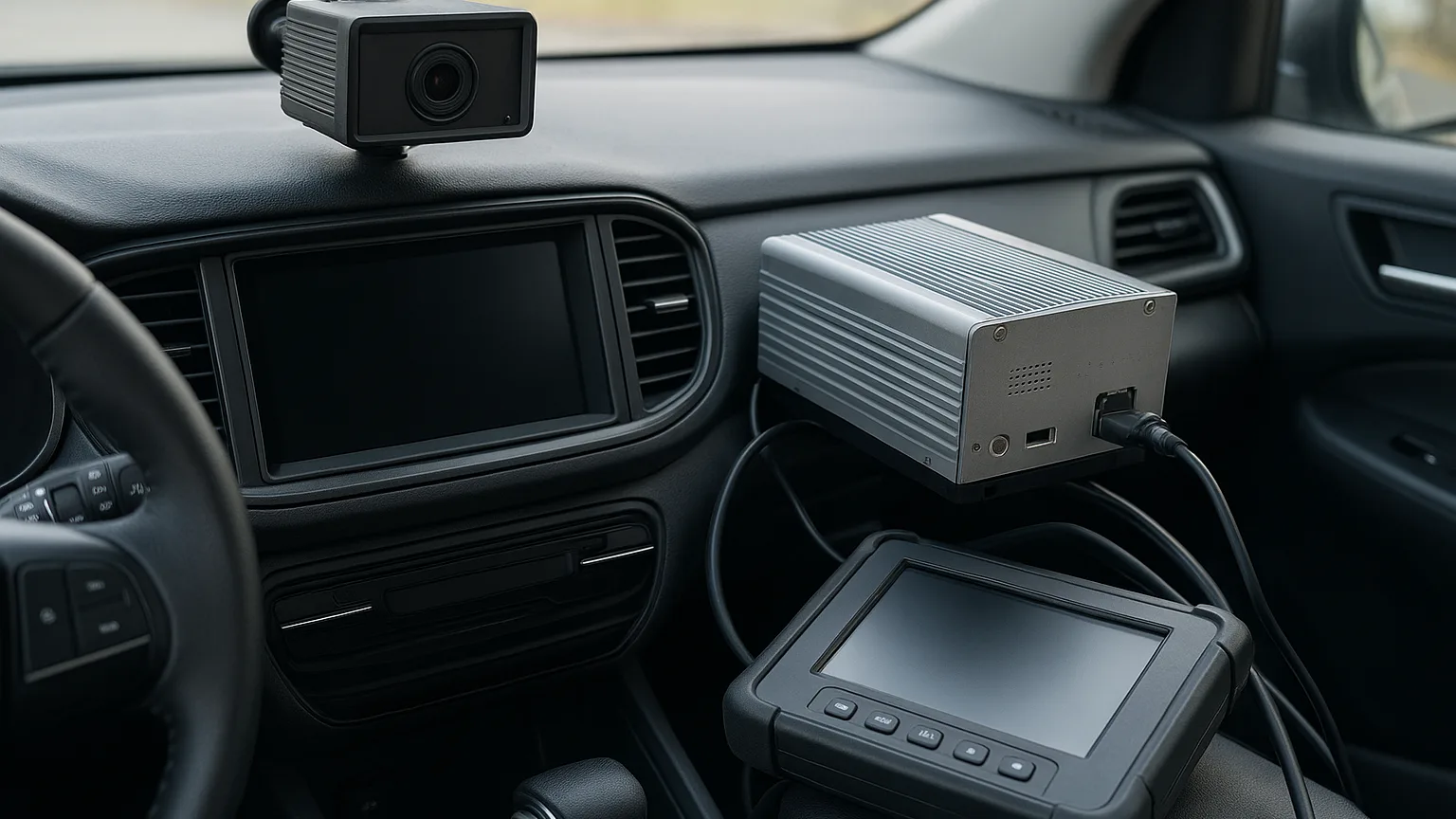
Driverless vehicles record an extraordinary amount: lidar returns, camera frames, object classification, planned path, braking commands, remote assistance pings, and timestamps down to the millisecond. None of that lives in a glovebox. It lives on servers owned by the operator, and it is not handed over because you asked politely.
This is the biggest practical difference from a conventional crash. In a two-driver collision, both sides start roughly even. Here, one side owns the entire factual record and the other side owns a bent bumper and a phone photo.
The same logic that governs handoff crashes applies here, which is why the reaction-time records that matter during degraded winter sensor conditions are the closest cousin to robotaxi log disputes. The difference is that no one can claim the car was waiting on a person.
Within the first 48 hours, a fleet should send a written data preservation notice to the operator, photograph the scene and vehicle from every angle including road markings and lighting, and get independent witness contacts before anyone disperses. The guidance from attorneys who spent years inside insurance defense work before moving to the claimant side is consistent: the party that documents early controls the negotiation later, because the other side already knows exactly what its own system recorded.
<<
Deployment zones are widening street by street, and most commercial fleet policies were written for a world of two human drivers. Fix the paper before the collision. Raise these with your broker and your counsel this quarter.
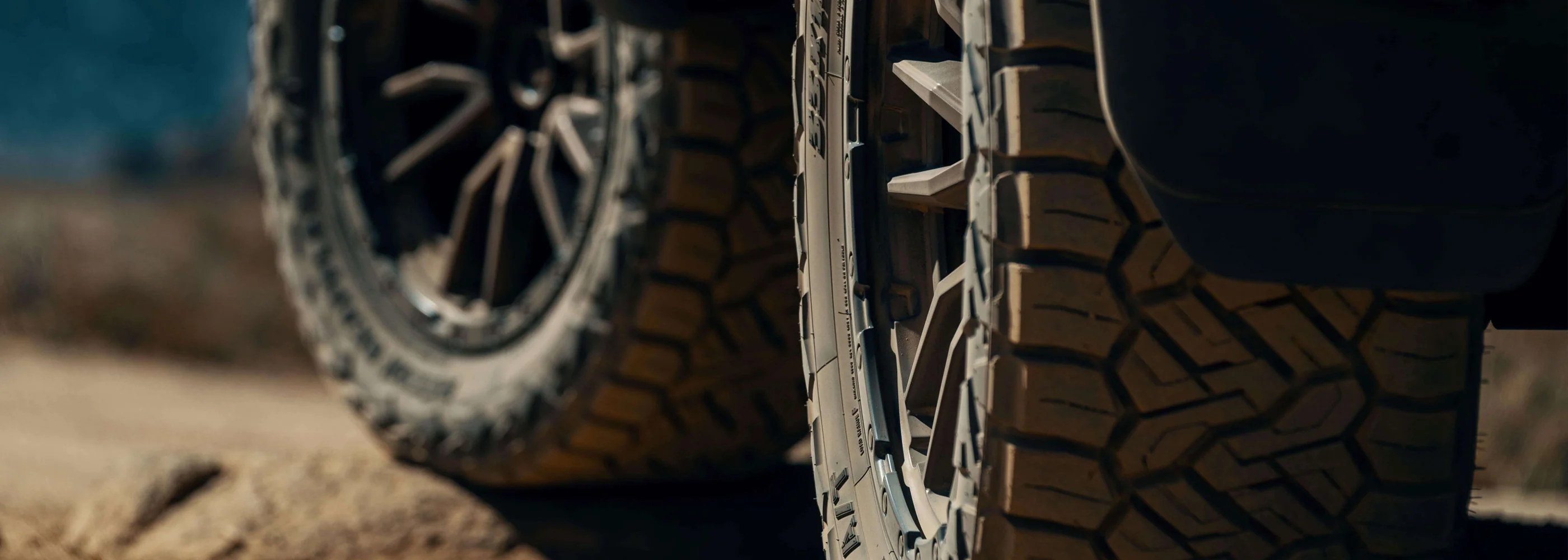
Your employees will be the only humans at the scene. Teach them to capture the robotaxi's identification number, the operator's roadside contact process, the exact intersection geometry, and the position of both vehicles before anything is moved. Teach them not to speculate about speed or fault on a recorded support call. Fleet drivers are already trained to read wear patterns the way tires keep a diary, and this is the same instinct applied to a crash scene: small details recorded early carry weight months later.
Expect the branding argument, too. Operators market these vehicles as safer than human drivers, and that framing follows the claim into negotiation. It is the same expectation gap that makes marketing names shape driver expectations so costly in assisted-driving cases. A safety statistic across a million miles says nothing about the one turn that hit your van.
Across these three parts, one thread held. Level 2 systems leave the driver legally in command no matter what the feature is called. Handoff moments compress liability into a few seconds that telematics will reconstruct without sympathy. And when the seat is finally empty, responsibility does not evaporate, it relocates to companies with better data, bigger legal teams, and a strong interest in a quiet settlement. Reading that playbook early tends to come from years spent defending insurers before switching sides, because the file-building habits do not change just because the defendant is a software company.
The fleets that come out of this transition intact will be the ones with preserved logs, documented calibrations, trained drivers, and a policy that names driverless vehicles out loud. Autonomy changed who is driving. It did not change who has to prove what happened. Build that proof into your operation now, while the only cost is a few hours of administrative work rather than a claim you cannot support.